
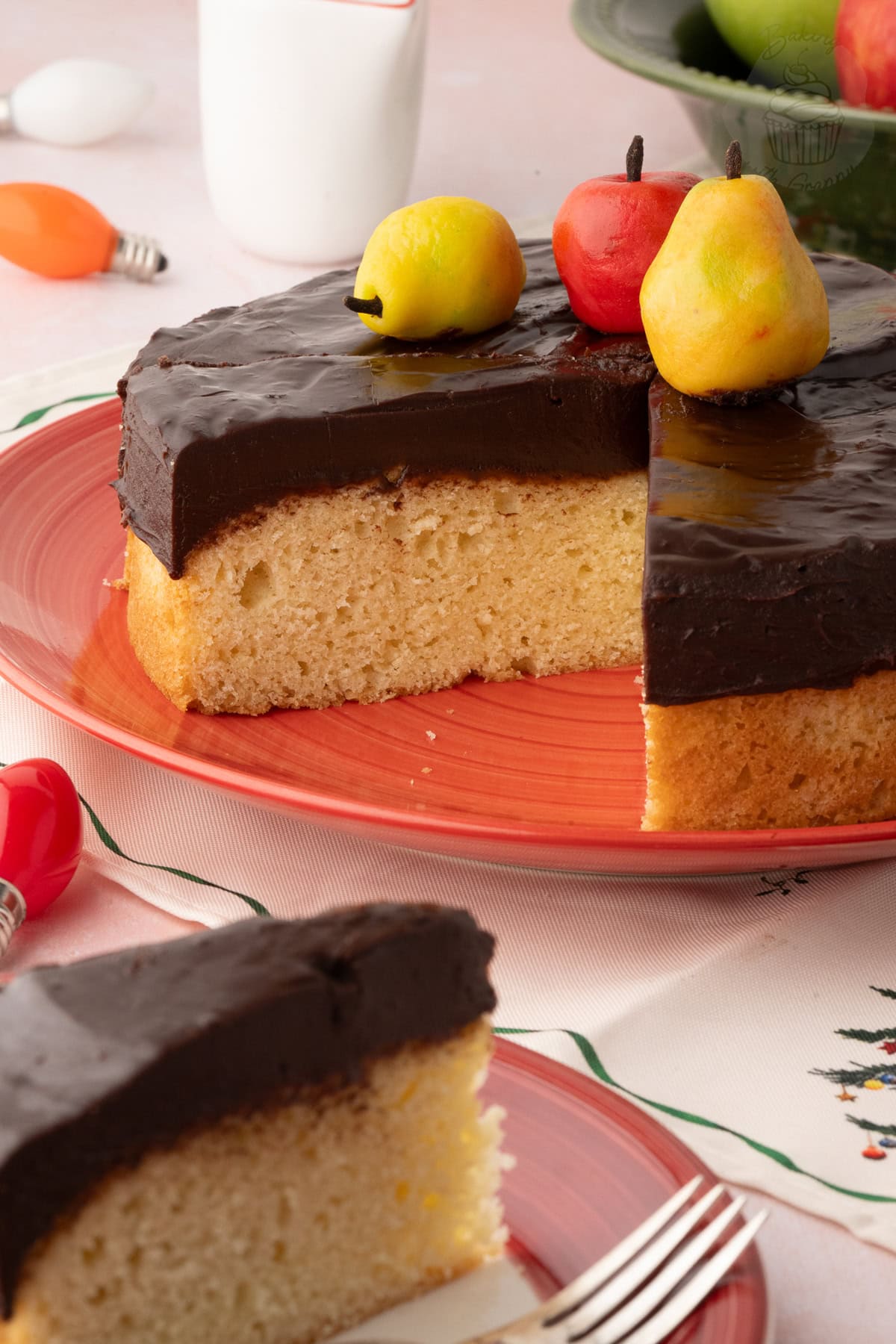
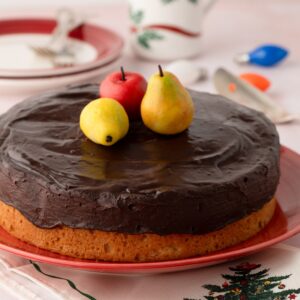
Remember Tunis Cake? This nostalgic Christmas favourite combines a classic Madeira cake with a generous layer of chocolate ganache and a few marzipan fruits to finish. My version uses an orange-flavoured sponge and is a lovely alternative to traditional Christmas cake if dried fruit isn’t your thing!
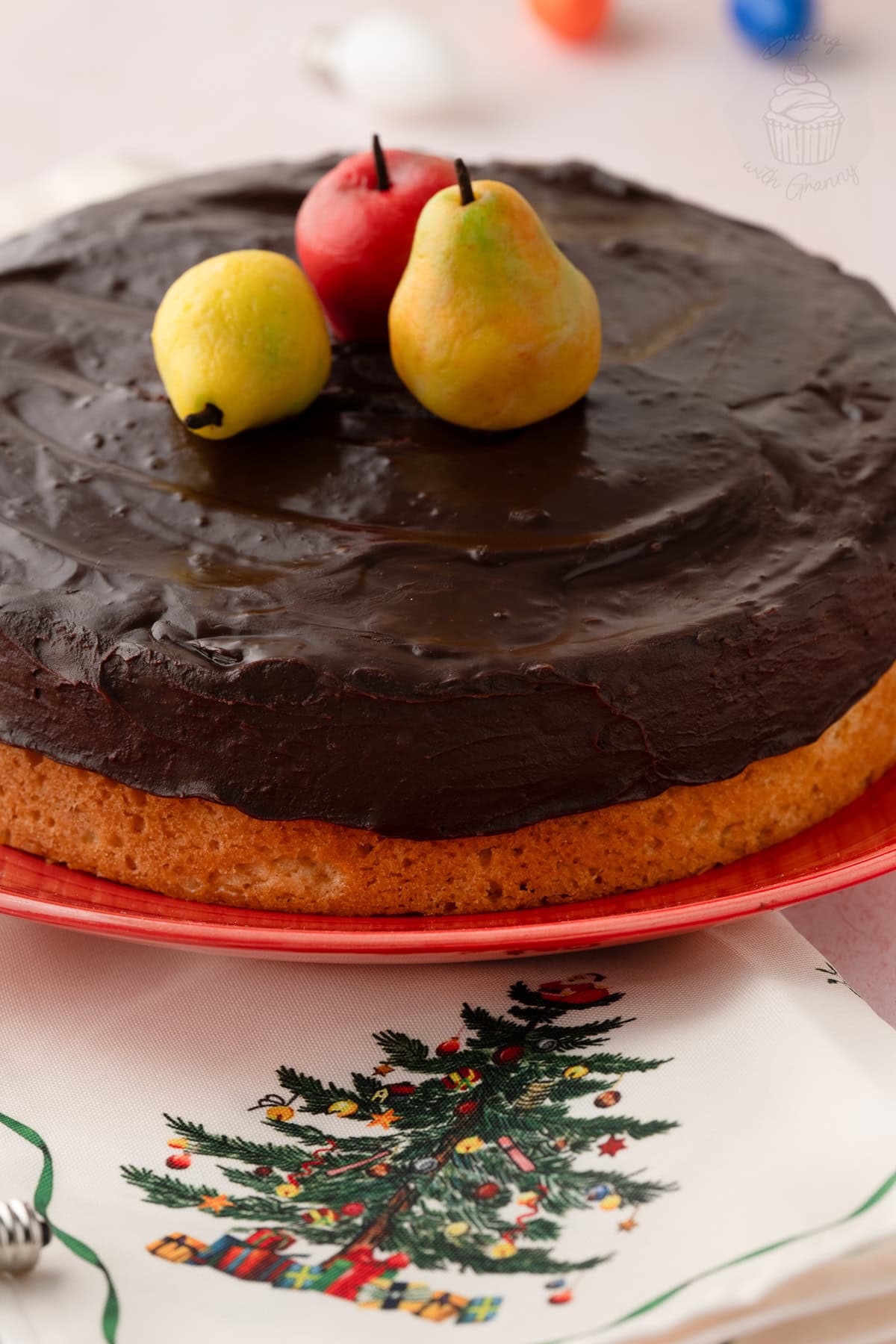
Tunis Cake Recipe Snapshot
- Recipe: A nostalgic Christmas cake made with orange-flavoured Madeira sponge.
- Makes: 12 slices.
- Tin: Deep 20cm (8-inch) cake tin.
- Baking Time: 40-45 minutes.
- Topping: A generous layer of dark chocolate ganache.
- Cooling & Setting: Cool the cake completely in its tin before adding the ganache, then allow around 2 hours for the topping to set.
- Decoration: Homemade marzipan fruits.
- Storage: Keep in an airtight container in the fridge for 4-5 days.
Summarise & Save this Recipe on:
What is Tunis Cake?
Tunis Cake is simply a Madeira cake topped with a thick layer of chocolate and decorated with marzipan fruits. Traditionally, it is enjoyed at Christmas and became a familiar festive treat across the UK through the cakes sold by McVitie’s.
Its commercial history has Scottish connections, with the bakery Macfarlane Lang producing Tunis Cakes before merging with McVitie & Price. The precise origins of the cake – and how it got its name – are less certain, but some believe it is similar to a cake that was once available in Tunisia.
My version uses orange-flavoured Madeira cake and chocolate ganache, made with dark chocolate and double cream. It’s a great alternative to other fruit-filled Christmas bakes, like Christmas Cake and Christmas Pudding, while my Yule Log is another great option for anyone who prefers a little chocolate at Christmas 😋
A Christmas Cake for Those Who Don’t Like Christmas Cake
I first came across Tunis Cake in one of my Granny’s old church recipe books. Having visited Tunisia years ago, long before even having kids, the name caught my attention. So I started looking into the story behind it. What I didn’t expect was a Christmas cake with Scottish connections, chocolate on top and wee marzipan fruits! That was enough to get me interested and wanting to add it to my collection of recipes here on Baking with Granny.
For my version, I’ve used my trusty Madeira Cake recipe, baked in a slightly larger tin, to reduce the height of it just a little. And flavoured it with orange instead of the usual lemon, because I tend to find orange is a slightly more festive flavour. Paired with the dark chocolate topping, it makes a lovely chocolate-orange combination for Christmas, especially once topped with some marzipan fruits – which, incidentally, were also a favourite of my Granny’s too!
Key Ingredients
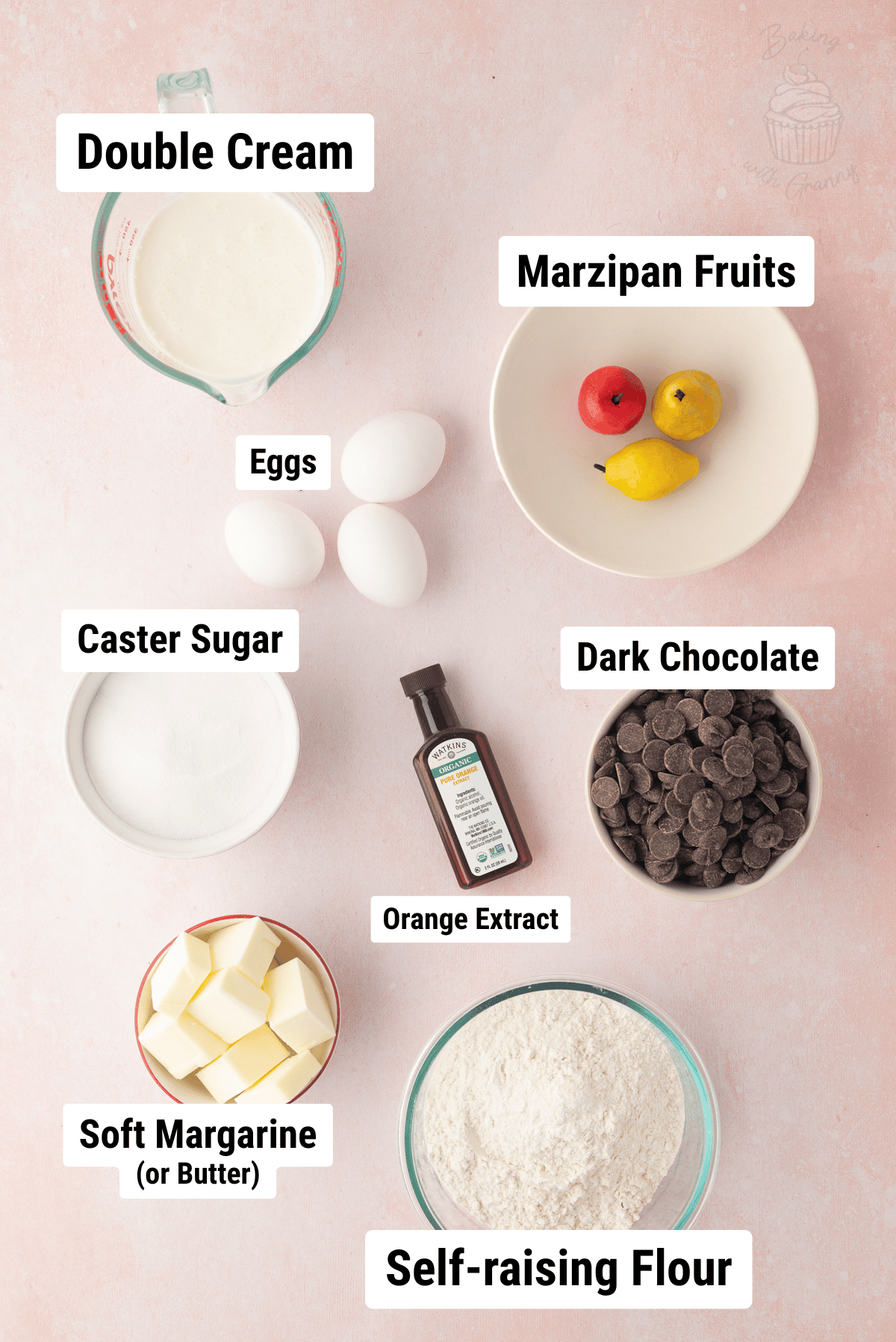
See the recipe card for a full ingredients list, required quantities and cup conversions.
Need cups, a different batch size or an ingredient swap?
Head to the recipe card for US measurements and adjustable ingredient quantities. For advice on ingredients and suitable substitutions, check the key ingredients and substitutions sections.
Substitutions & Additions
Orange Extract: I use orange extract to flavour the cake, as I think it is quite a festive flavour. But you can use some fresh orange zest, or swap it for vanilla or lemon extract if orange isn’t your thing. Or simply leave the extract out altogether for a plain Madeira cake.
Marzipan Fruits & Decorating: You can make your own marzipan fruits or use shop-bought ones. Simple marzipan or fondant shapes, such as holly leaves and berries, are another option if you don’t want to go the marzipan fruits route. Some Tunis Cakes also have piped buttercream decorations, so feel free to add a little piping to yours too, if you fancy!
Looking for dairy-free, gluten-free or vegan adaptations? See the Free-from & Vegan section below.
Free-from & Vegan
Amy recommends: If you regularly need to adapt baking recipes for gluten-free, dairy-free, egg-free or vegan diets, I highly recommend The Elements of Baking by Katarina Cermelj, creator of The Loopy Whisk. It’s a brilliant resource for understanding how substitutions work, rather than simply swapping ingredients and hoping for the best.
Gluten-free Options:
You can use gluten-free self-raising flour as a straight swap for the self-raising flour in this recipe. The exact texture can vary a little depending on the brand of flour you use, but it generally works very well as a straight swap.
Nut-free Adjustments:
The Madeira cake and ganache don’t require any nuts, but marzipan contains almonds. For a nut-free version, use fondant icing to make your fruit decorations or other festive shapes instead.
Dairy-free Swaps:
To make this a dairy-free Tunis Cake, simply use a dairy-free baking margarine for the cake, and a dairy-free dark chocolate and a plant-based double cream alternative for the chocolate ganache topping.
Egg-Free Adaptations:
Due to the number of eggs in this cake, I wouldn’t recommend replacing them with an egg replacer. Instead, I would recommend using an intentionally egg-free Madeira Cake recipe, like the Vegan Pound Cake (Madeira Cake) from School Night Vegan, then finish with the chocolate ganache topping and marzipan fruits.
Vegan Substitutions:
Making a dairy-free Tunis Cake is quite simple, but replacing the eggs is a little trickier. Instead, I would recommend using an intentionally vegan Madeira Cake recipe like the Vegan Pound Cake (Madeira Cake) from School Night Vegan. Then simply make the ganache with dairy-free dark chocolate and a plant-based double cream alternative, and check that your marzipan fruits or other decorations are vegan too.
Allergy Disclaimer & Resources:
Any advice or suggestions to make recipes “free-from” or vegan are purely suggestions. Please double-check all packaged ingredients individually, taking extra caution when baking for those with allergies or intolerances.
For official guidance on food allergies, please see Food Standards Agency (food.gov.uk) | For more info on coeliac disease, please see Coeliac UK (coeliac.org.uk) | For more info on a vegan diet, please see The Vegan Society (vegansociety.com)
How to Make Tunis Cake
Tunis Cake starts with a simple Madeira sponge, then a chocolate ganache topping, finished with marzipan fruits. Just allow plenty of time for the cake to cool and the topping to set. Follow the step-by-step below, or head to the recipe card at the bottom for the full printable recipe.
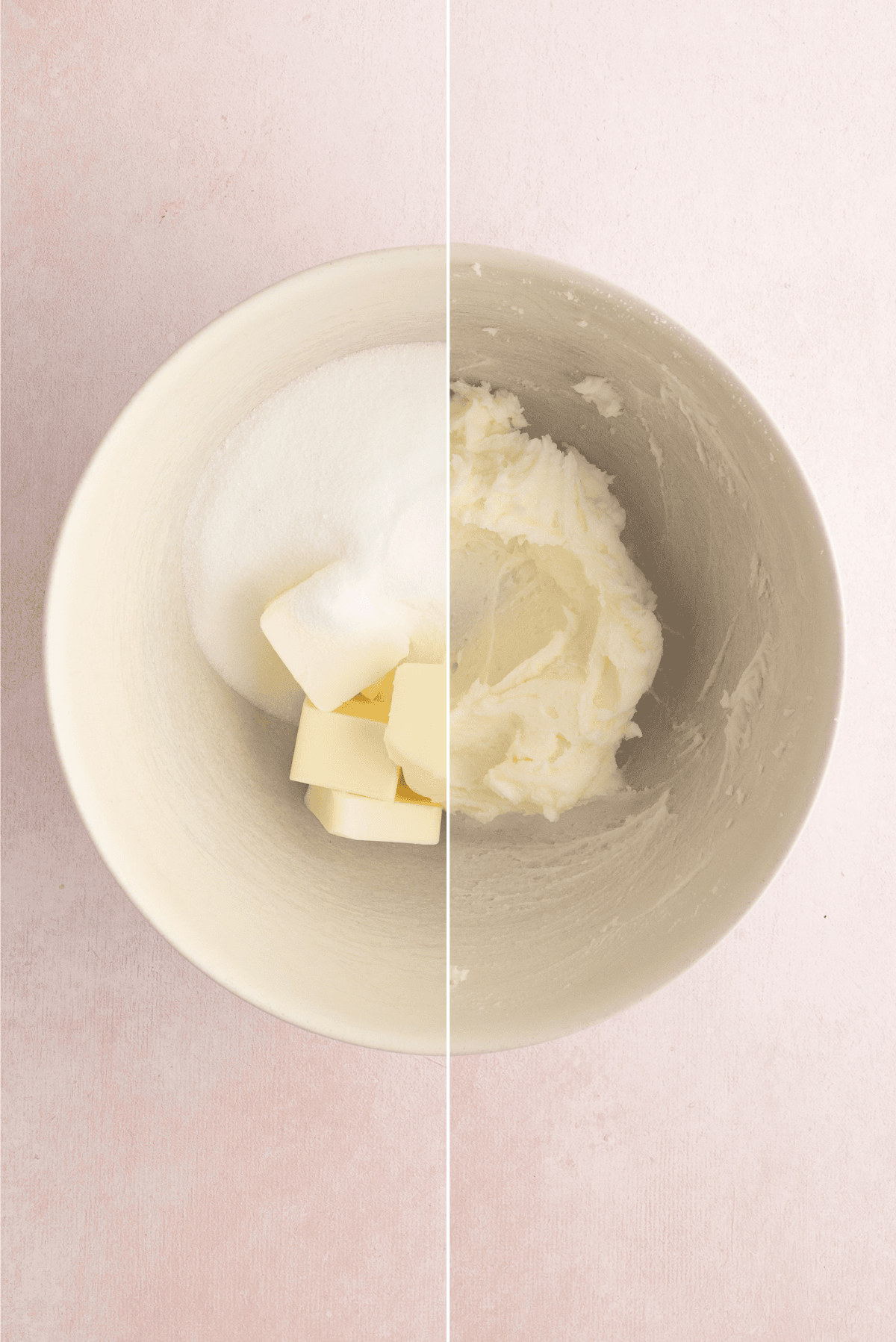
- Prepare your tin & cream the margarine/butter and sugar. Preheat your oven to 180°C (160°C fan, Gas Mark 4 or 350°F). Grease and line a deep 20cm (8-inch) cake tin with greaseproof paper.
Cream together the margarine/butter and sugar in a large bowl until light and fluffy.
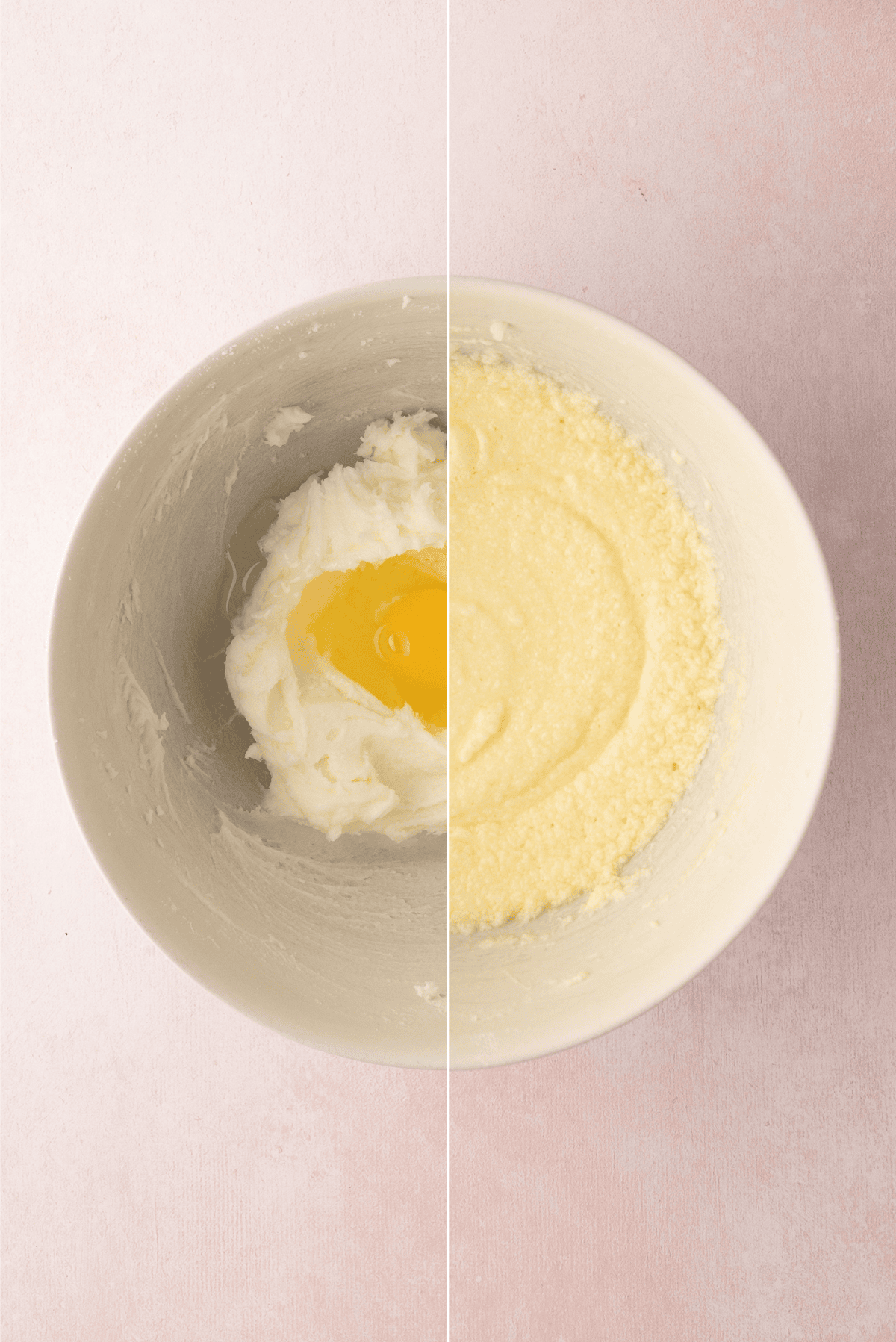
- Add the eggs. Mix in the eggs one at a time, mixing through before adding the next. Don’t worry if the mixture seems to curdle – it will come together when you add the flour.
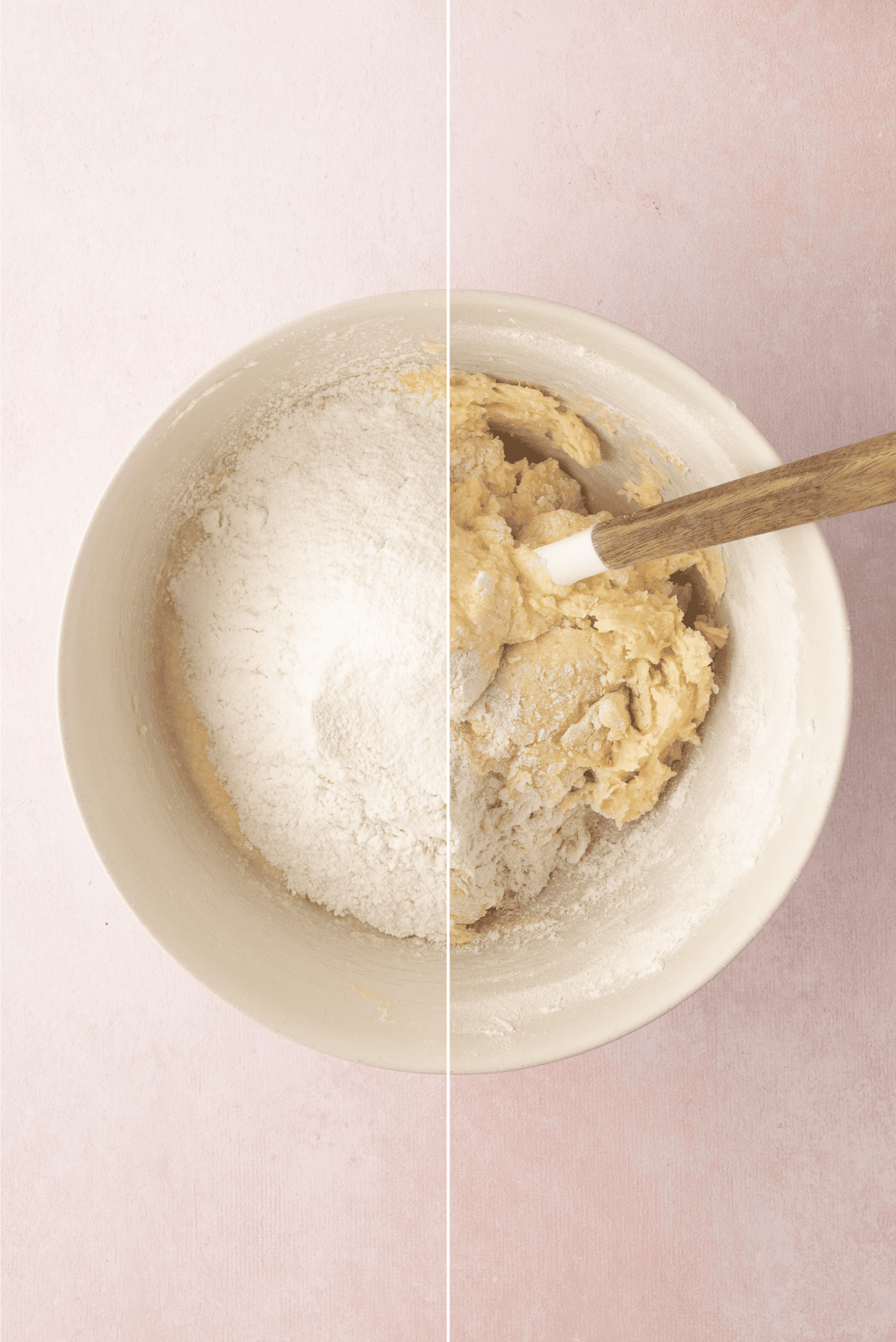
- Sift in the flour. Mix in the orange extract, sift in the self-raising flour and gently fold to make a thick batter.
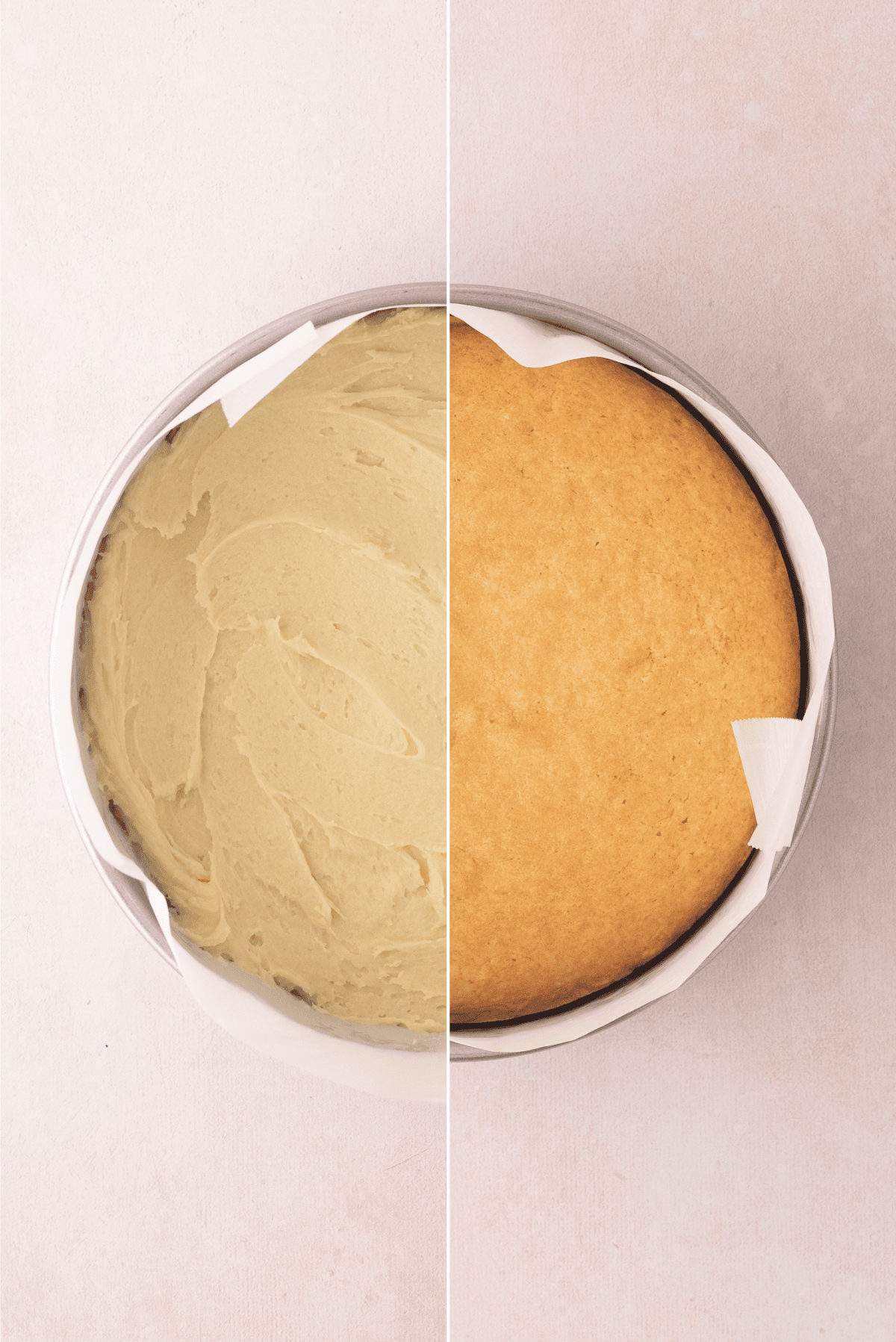
- Bake and cool. Spoon the batter into the tin and bake for 40-45 minutes, until risen, golden, and a skewer inserted into the centre comes out clean. Leave to cool completely in the tin.
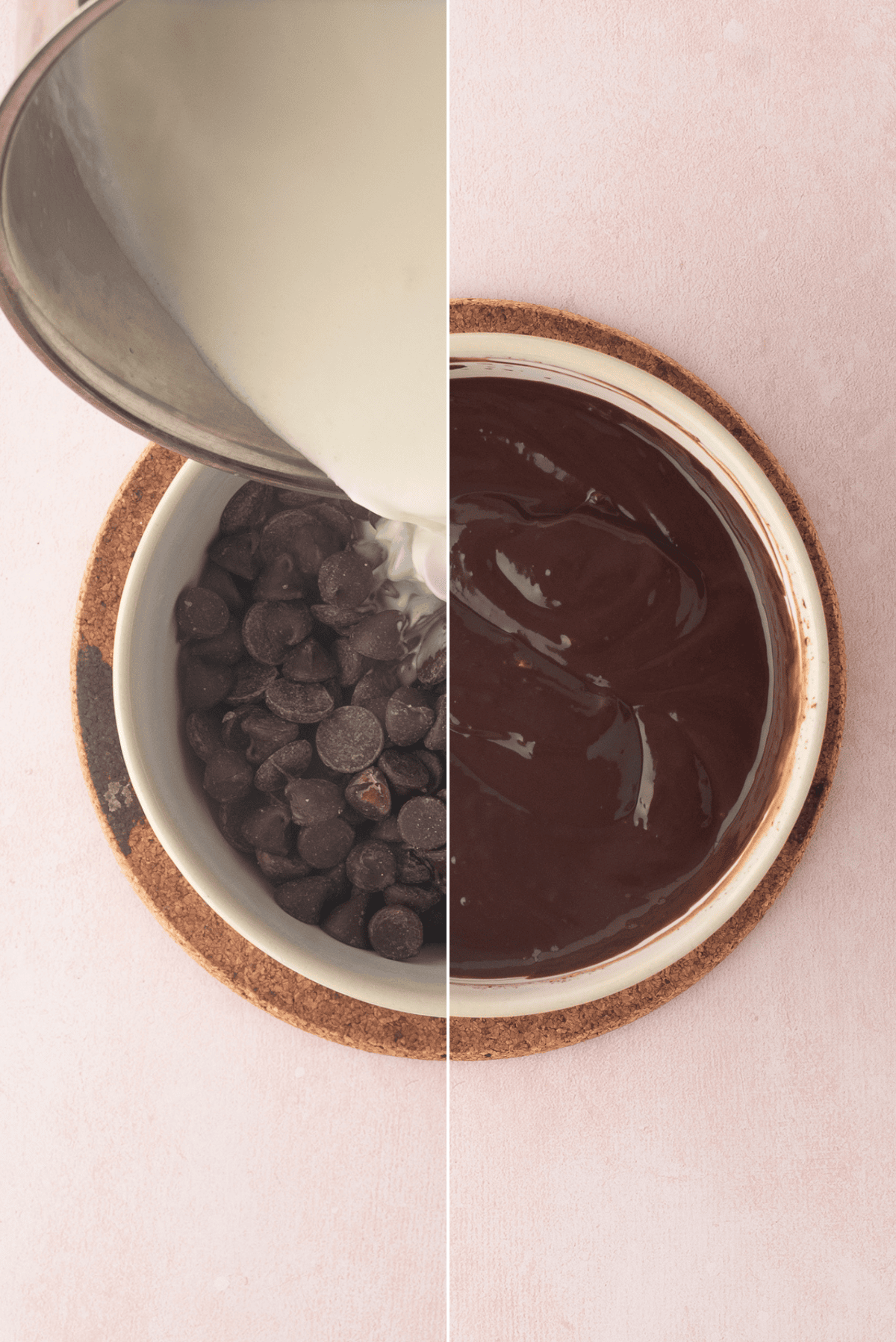
- Make the ganache. Warm the cream until it begins to steam, without letting it boil. Pour the warm cream over the chocolate and leave for 20 minutes. Stir together with a metal, plastic or silicone spoon until the chocolate has melted and the ganache is smooth and glossy.
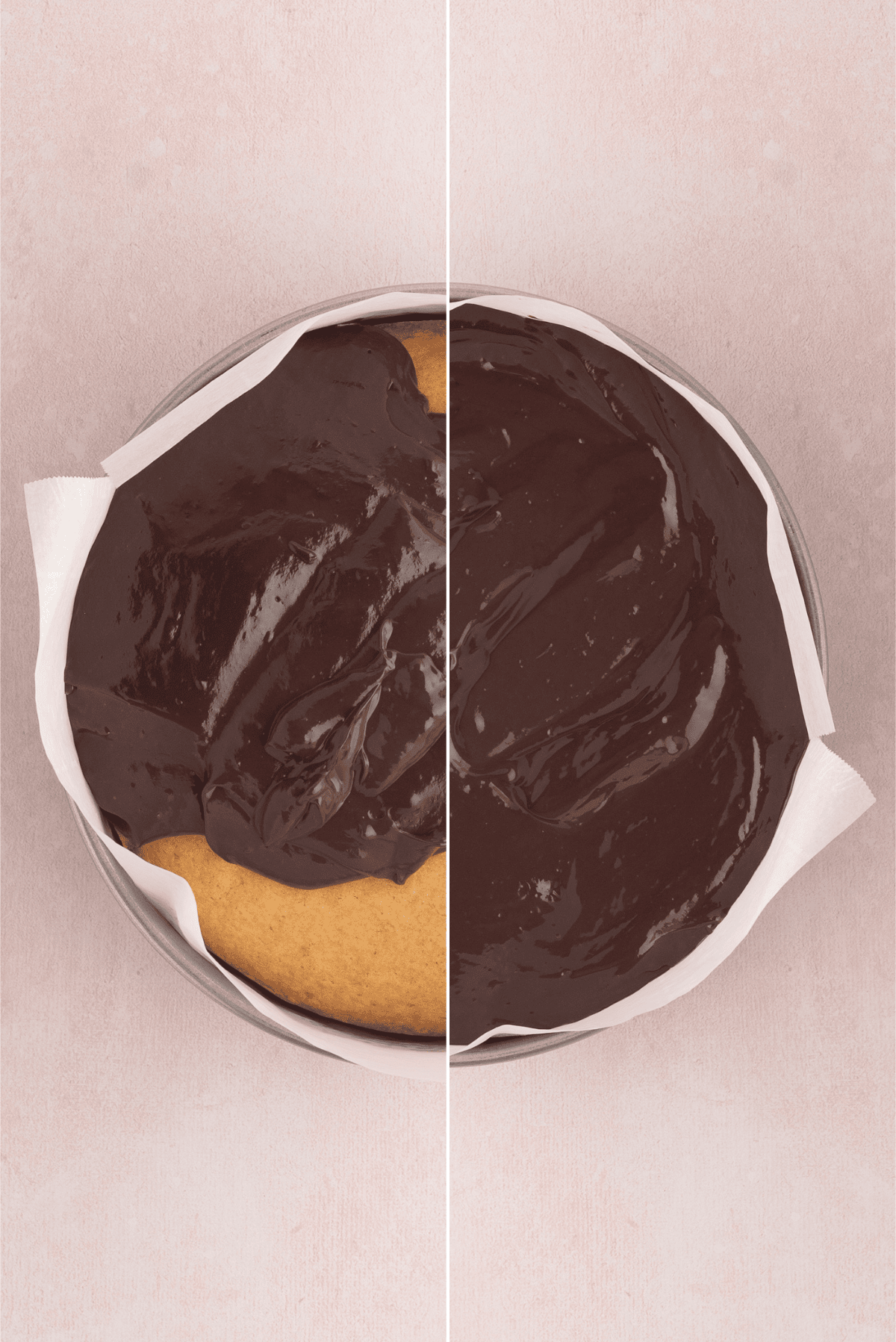
- Add the topping. Allow the ganache to cool for 15 minutes, then pour it over the cooled cake, still in its tin with the greaseproof lining intact. Spread into a level layer.
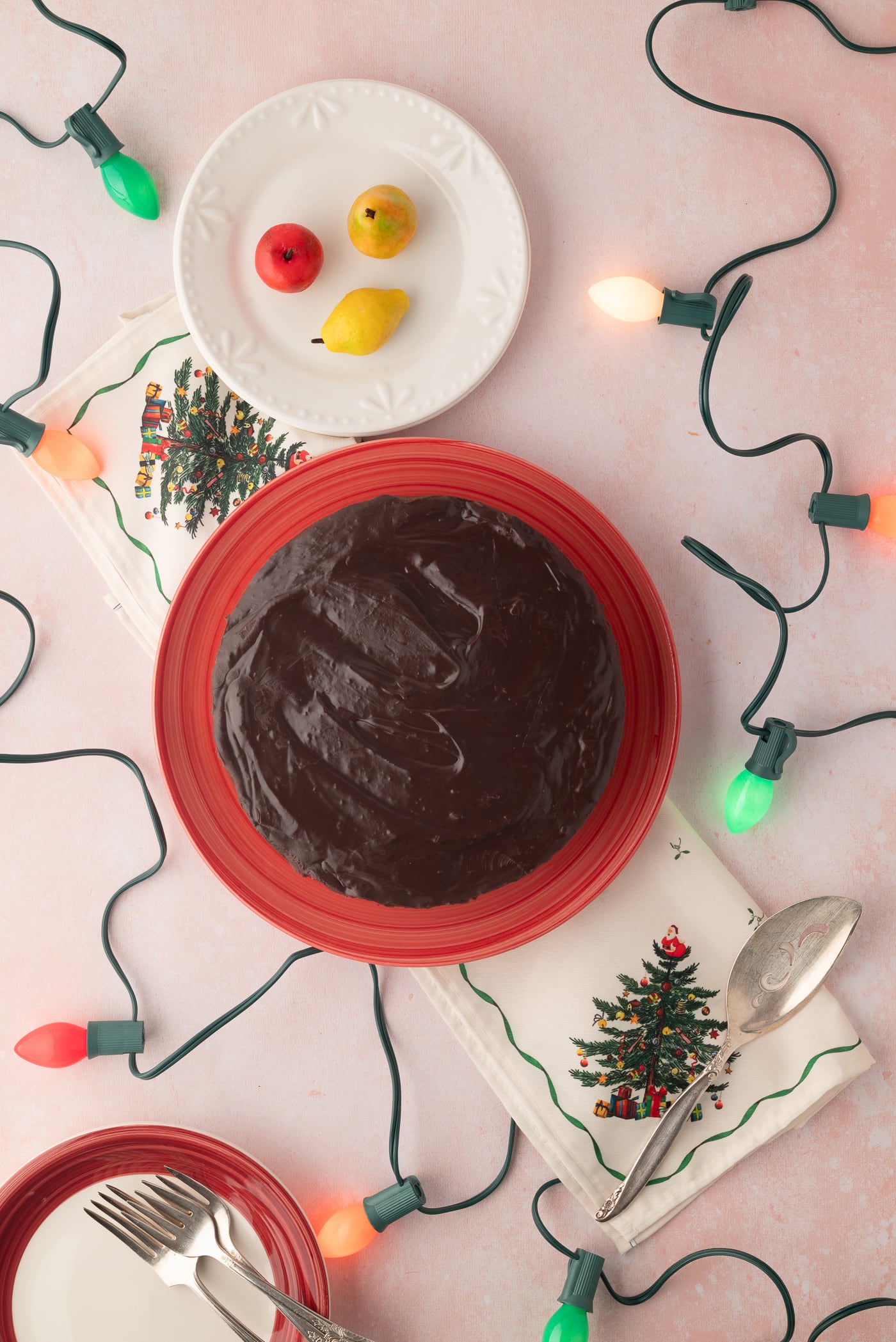
- Leave to set and decorate. Allow around 2 hours at room temperature for the ganache to set. Carefully remove the cake from the tin and peel away the greaseproof paper, then finish with your marzipan fruits.
Top Tips for Tunis Cake
- Keep the Cake in the Lined Tin: By keeping the cake in the tin and greaseproof paper while you decorate, it helps contain the ganache while it sets, giving you the recognisable chocolate layer on top. Then leave everything in place until the topping has set.
- Give the Chocolate Time to Melt: Leave the chocolate under the warm cream for the full 20 minutes before stirring. Use a metal, plastic or silicone spoon to bring the ganache together, as opposed to a wooden spoon.
- Cool the Cake Completely: Allow plenty of cooling time before adding the ganache – otherwise, the ganache may begin to melt instead of setting. The cake may feel cool around the edges while still holding warmth in the centre.
- Be Patient Before Removing the Cake: Allow around 2 hours for the ganache to set at room temperature, checking that it has set before removing it from the tin and peeling away the paper. This is a good cake to prepare with plenty of time to spare, in case your ganache topping needs a little longer to set!
Storage, Freezing & Make Ahead
Storage: You can keep your Tunis Cake in an airtight container in the fridge for 4-5 days. I would always recommend keeping it in the fridge due to the fresh cream in the ganache, but it’s best if you can let it come to room temperature before serving.
Freezing & Make Ahead: If you want to prepare your Tunis Cake further in advance, I recommend freezing the Madeira cake before adding the ganache. Allow the sponge to cool completely, then wrap well before freezing. Defrost fully before adding the chocolate ganache and finishing with your marzipan fruits.
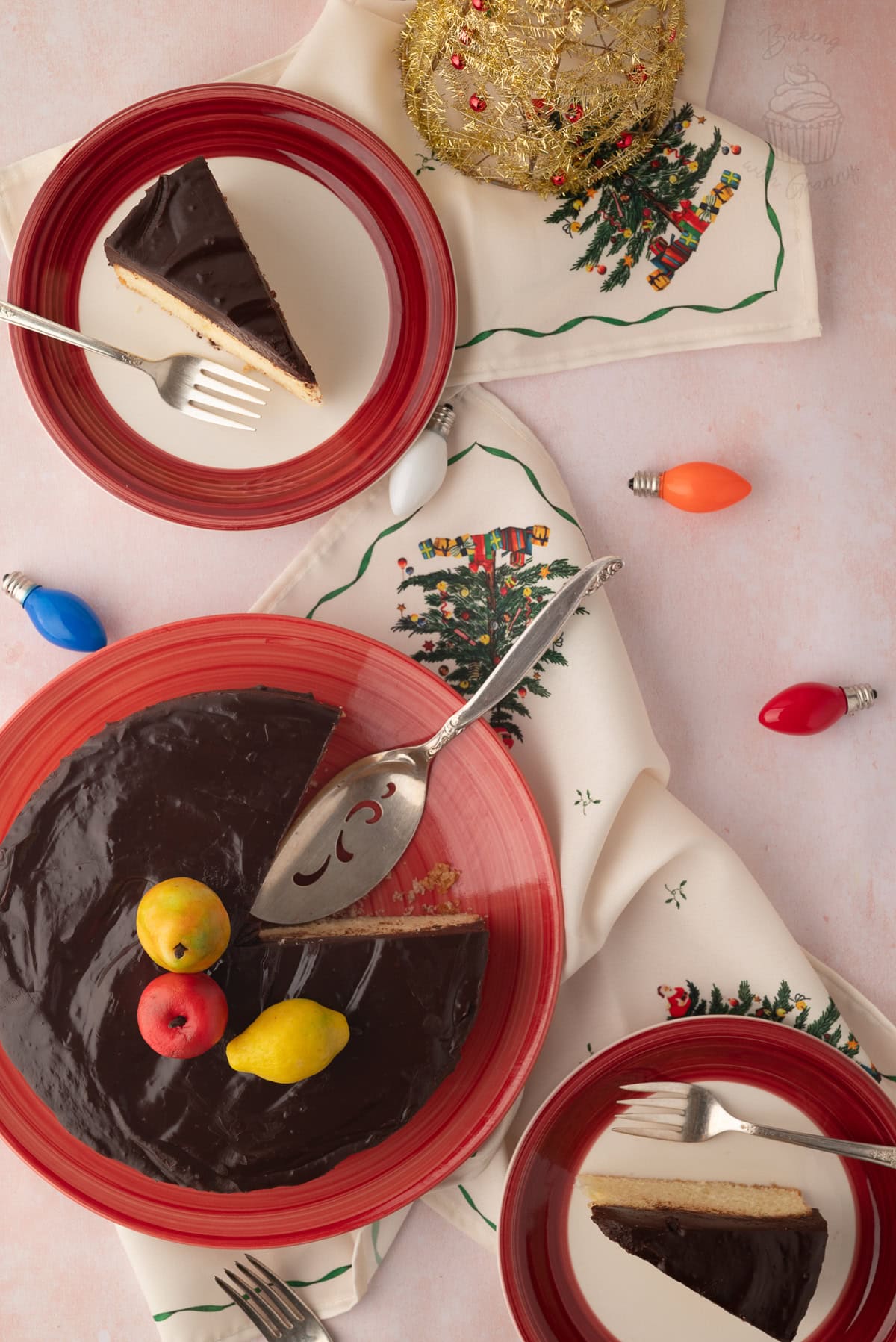
Thank you to Naomi Seiler for creating these photos.
Tunis Cake FAQs
It follows the familiar combination of Madeira cake, chocolate topping and marzipan fruits, but I don’t believe McVitie’s have ever shared their exact recipe for Tunis Cake, so this is simply my interpretation. My version uses a slightly orange-flavoured sponge and a chocolate ganache made with dark chocolate and double cream, with the classic marzipan fruits decoration.
I found some Tunis Cake recipes that include ground almonds, but this one uses my Madeira cake recipe, which doesn’t require them. Instead, you get the almond element from the marzipan fruits on top.
The quantities and baking time here are for a deep 20cm (8-inch) round cake tin. Using a different-sized tin will change the depth of the sponge and ganache layers, and may change the baking time too, so I recommend sticking with the specified tin for the best results, if you can.
More British Christmas Bakes
If you loved this traditional Tunis Cake, here are some more of my favourite British Christmas recipes for you to try next:


Save this recipe!
Want to save this recipe for later? Pop your email below and come back to it when you’re ready to bake.
Tunis Cake
INGREDIENTS
For the Cake:
- 150 g Soft Margarine or Butter (at room temperature; plus extra for greasing)
- 150 g Caster Sugar
- 3 Free-range Eggs (beaten; at room temperature; see Egg Size note below)
- 225 g Self-raising Flour
- 1 tsp Orange Extract
For the Topping:
- 300 g Dark Chocolate
- 300 ml Double Cream
- Marzipan Fruits
EQUIPMENT
- Plastic or Silicone Spoon
INSTRUCTIONS
For the Cake:
- Preheat your oven to 180°C (160°C for fan-assisted ovens, Gas Mark 4 or 350°F). Grease and line a deep 20cm (8-inch) cake tin with greaseproof paper. Set aside.
- In a large bowl, cream together the margarine/butter and sugar until light and fluffy.150 g Soft Margarine or Butter; 150 g Caster Sugar
- Add the eggs one at a time, ensuring each is mixed through before adding the next. Don't worry if the mixture appears to curdle – this will remedy itself once the flour is added.3 Free-range Eggs
- Add the orange extract and mix through. Sift in the flour and gently fold to create a thick batter.1 tsp Orange Extract; 225 g Self-raising Flour
- Spoon the batter into your pre-lined tin and bake in your pre-heated oven for 40-45 minutes, until risen, golden in colour, and a skewer inserted comes out clean.
- Leave the cake to cool completely in the tin.
For the Topping:
- In a large bowl, break up the chocolate into pieces. Set aside while you warm the cream.300 g Dark Chocolate
- In a small saucepan, heat the cream until it is warm and beginning to steam – do not boil!300 ml Double Cream
- Pour the warm cream over the chocolate and wait 20 minutes to allow the chocolate to begin melting.
- After 20 minutes, stir the cream and chocolate together until it melts together and becomes smooth and glossy ganache. Let the mixture cool for 15 minutes before pouring and spreading over the top of your cooled cake (still in the tin, with the greaseproof intact). Spread the top into a somewhat level finish.
- Allow the chocolate ganache topping to set (around 2 hours at room temperature). Once set, carefully remove the cake from the tin and remove the greaseproof paper before topping with a few marzipan fruits to finish.Marzipan Fruits
IMPORTANT NOTE:
All my recipes are developed using a digital scale and the metric system (grams and millilitres). Cup measurements are available as a conversion, but these, unfortunately, won’t always be as accurate. For best results, I always recommend baking with a digital scale.














ABOUT THE AUTHOR
Amy Beth Reid
Amy Beth Reid is an award-winning food blogger, mother, wife and cookbook author. Inspired by her childhood in the kitchen with her Mum – a professional baker and her children’s Granny – Amy now shares her tried-and-tested traditional home baking recipes with bakers of all abilities around the world. She lives in Scotland with her husband, two sons and her small pack of Siberian huskies.