Caster Sugar
A complete ingredient guide to caster sugar, including what it is, how it’s used in baking, American equivalents and substitutions, storage, and the best recipes to make with it.
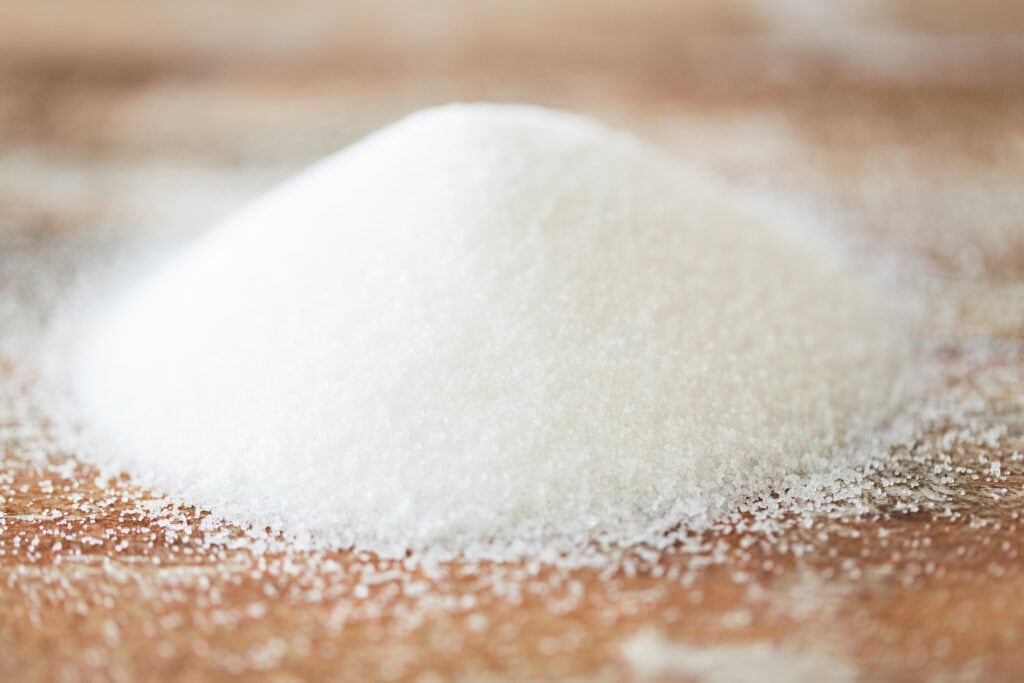
It’s one of the most common ingredients in British baking. Used in everything from sponge cakes and biscuits to meringues and cupcakes, caster sugar is a real baking cupboard staple. But if you’re baking from outside the UK, you might be wondering exactly what caster sugar is.
So what makes caster sugar different from granulated sugar? Is it the same as superfine sugar? And what can you use instead if you don’t have any?
Quick Baking Facts
- Also Known As: “Superfine Sugar” (US), “Baker’s Sugar,” “Bar Sugar.”
- Best For: Cakes, biscuits, meringues, puddings, desserts…and more!
- Texture: Fine, free-flowing crystals.
- Flavour: Sweet and neutral.
- Gluten-free? Yes!
- Vegan? Yes!
Caster sugar has been a staple ingredient in British baking for many generations now. The fine crystals that dissolve quickly make it the go-to sugar for everything from sponge cakes and biscuits to meringues, puddings and desserts.
Known as superfine sugar in the United States, it’s one of the most commonly used ingredients in baking. While granulated sugar can often be used as a substitute, many bakers still prefer caster sugar for its ability to blend more easily into batters, helping create smooth mixtures and the most beautiful bakes.
What is Caster Sugar?
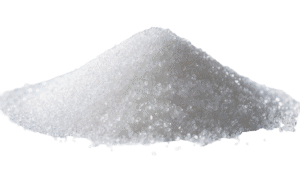
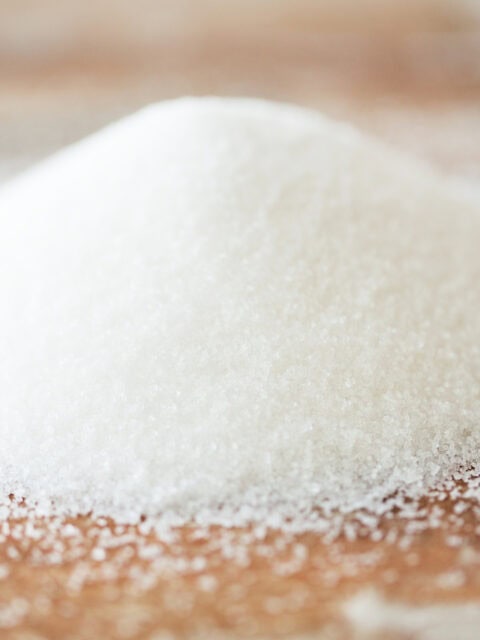
Caster sugar is a fine white sugar with much smaller crystals than granulated sugar, allowing it to dissolve much more quickly. It’s one of the most commonly used sugars in baking, particularly in recipes where you’d want a smooth batter or a light, even texture.
In the United States, caster sugar is usually known as superfine sugar. While the name is different, they’re essentially the same ingredient and can usually be used interchangeably in recipes.
Why is it called Caster Sugar?
Caster sugar gets its name from the old-fashioned sugar “caster” – a table shaker used for sprinkling sugar over desserts. Because the crystals are finer than granulated sugar, they pass more easily through the holes in the caster.
Is Caster Sugar the same as Superfine Sugar?
Yes! Caster sugar and superfine sugar are essentially the same ingredient. “Caster sugar” is the name used in the UK, while “superfine sugar” is what you’ll usually find in the United States.
Both have much finer crystals than granulated sugar, helping them dissolve quickly into cake batters, meringues and other bakes. If you’re following one of my recipes from outside the UK, superfine sugar is usually the best substitute for caster sugar.
Is Caster Sugar the same as Confectioners’ Sugar?
No. Caster sugar and confectioners’ sugar are two completely different ingredients.
Caster sugar (known as superfine sugar in the United States) is made up of fine sugar crystals that dissolve quickly, making it perfect for baking. Confectioners’ sugar, also known as icing sugar (or powdered sugar), is ground into a very fine powder and usually contains a small amount of an anti-caking agent to help prevent lumps.
Because they’re so very different, they shouldn’t usually be substituted for one another. If a recipe calls for caster sugar, using confectioners’ (icing/powdered) sugar instead is likely to affect the texture and overall outcome of your bake.
Popular Caster Sugar Recipes
What does Caster Sugar do in baking?
Caster sugar does much more than simply add sweetness to a recipe. It can also:
- Dissolves quickly: The fine sugar crystals dissolve faster than granulated sugar, making caster sugar perfect for cake batters and meringues.
- Creates a lighter texture: When creamed with butter, caster sugar helps trap tiny air bubbles, giving cakes a lighter bake.
- Helps create a crisp finish: In biscuits and meringues, caster sugar contributes to a delicate crispiness once baked.
- Retains moisture: Sugar attracts and holds onto moisture, helping cakes stay softer and fresher for longer.
- Adds colour: As sugar caramelises in the oven, it helps give cakes, biscuits and pastries a lovely golden finish.
- Sweeten your bakes: Its main job is to add sweetness, balance flavours, and make cakes, biscuits, and desserts delicious!
Can I use Granulated Sugar instead of Caster Sugar?
Yes, in most recipes you can! Granulated sugar and caster sugar are very similar, with the main difference being the size of the sugar crystals.
Because granulated sugar has larger crystals, it takes a little longer to dissolve. In most cakes, biscuits and desserts, the difference is not always that noticeable. However, recipes like Meringues, Pavlova and Sponge Drops tend to benefit from caster sugar, as the finer crystals dissolve more easily and create a smoother texture.
If all you have is granulated sugar, don’t let that stop you from baking – your finished bake may have a slightly different texture (that most people won’t even notice), but it’ll still taste just as delicious.
Can I make my own Caster Sugar?
Yes, you can. If you’ve run out of caster sugar, you can make your own by blitzing granulated sugar in a food processor or blender for a few seconds until the crystals become finer. Just be careful not to overdo it, or you’ll end up with icing sugar instead!
That being said, I wouldn’t usually bother. Granulated sugar works perfectly well in many recipes, so unless you’re making something like Meringues, Pavlova, Japonaise or Sponge Drops, where the finer crystals really make a difference, I’d just use granulated sugar instead.
Amy’s Top Tips for Caster Sugar:
- Weigh Your Sugar: Measuring caster sugar by weight is much more accurate than using cups, helping you get consistent results every time you bake.
- Don’t Panic if You’ve Run Out: Granulated sugar can often be used instead of caster sugar in many recipes. Your bake might have a slightly different texture, but it’ll still taste delicious.
- Store it Somewhere Dry: Sugar doesn’t like moisture. Keep caster sugar in an airtight container or well-sealed bag to stop it clumping together.
- Golden Caster Sugar is Worth Trying: If you’ve never baked with golden caster sugar, give it a go. It has a slight caramel flavour that’s especially lovely in gingerbread and fruit cakes.
- Don’t Overthink It: Caster sugar is amazingly versatile. Once you’ve got a bag in the cupboard, you’ll find yourself using it in everything, from cakes and biscuits to meringues and puddings.
What’s the difference between White and Golden Caster Sugar?
The main difference between white caster sugar and golden caster sugar is the type of sugar used to make them. White caster sugar is refined from sugar beet or sugar cane and has a neutral sweetness. Golden caster sugar is less refined, giving it a light golden colour and a subtle caramel flavour.
In most baking recipes, the two can be used interchangeably. Golden caster sugar will give your bakes a slightly warmer flavour and a deeper colour, but the overall texture and outcomes will be much the same.
Where can I buy Caster Sugar?
Caster sugar is widely available in every supermarket across the UK, as well as in farm shops, corner stores and most food shops. You’ll usually find it by the tea and coffee, alongside granulated sugar, brown sugars and sugar cubes. But occasionally you may find it in the baking aisle, too.
If you’re baking from outside the UK, look for superfine sugar instead. Despite the different name, it’s essentially the same ingredient and can usually be used interchangeably in recipes.
Is Caster Sugar vegetarian? Is Caster Sugar vegan?
Yes and yes! Caster sugar is naturally suitable for both vegetarians and vegans, and the vast majority of caster sugar sold in the UK is vegan-friendly.
If you’re baking outside the UK, it’s worth knowing that some sugar (particularly in the United States) is refined using bone char. Although it doesn’t remain in the finished sugar, some vegetarians and vegans may choose to avoid it.
Is Caster Sugar gluten-free?
Yes! Caster sugar is naturally gluten-free, making it suitable for anyone following a gluten-free diet or those with coeliac disease.
Storage & Shelf Life of Caster Sugar:
- Keep caster sugar in a cool, dry cupboard, away from direct sunlight and moisture.
- Once opened, transfer it to an airtight container or reseal the bag tightly after each use.
- Sugar doesn’t need to be refrigerated and is best stored at room temperature.
- If your caster sugar becomes lumpy, it’s usually because it’s absorbed moisture. Simply break up any small lumps before using.
- When stored correctly, caster sugar has an extremely long shelf life and is unlikely to spoil.
What kind of recipes use Caster Sugar?
Caster sugar is one of the most versatile sugars in baking. Because its fine crystals dissolve quickly, it’s perfect for recipes where you want a smooth batter, light texture or a delicate finish. It’s equally as good in cakes, biscuits and desserts as it is in meringues and buttercream.
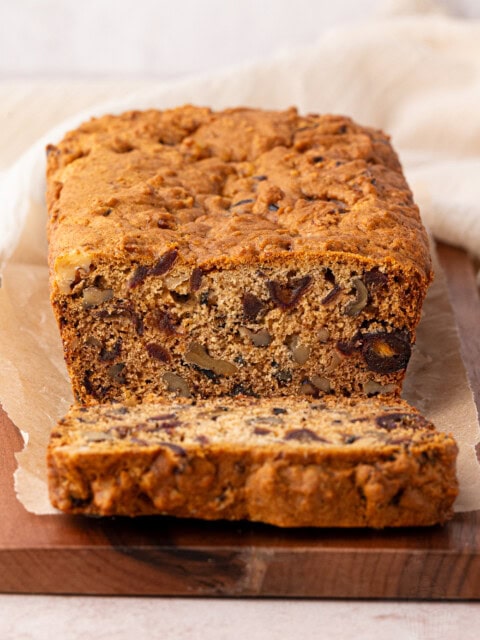
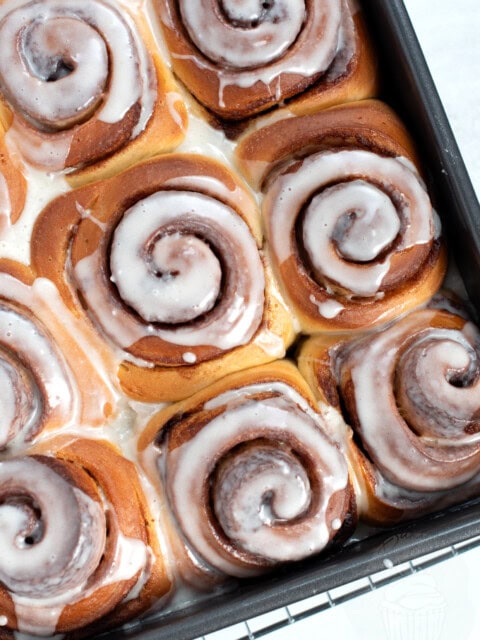
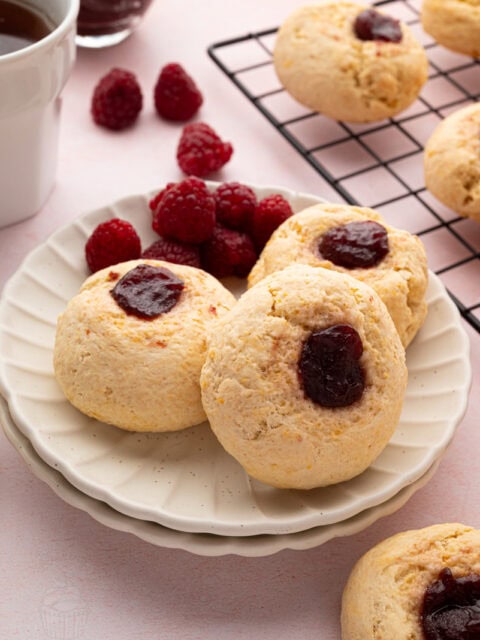
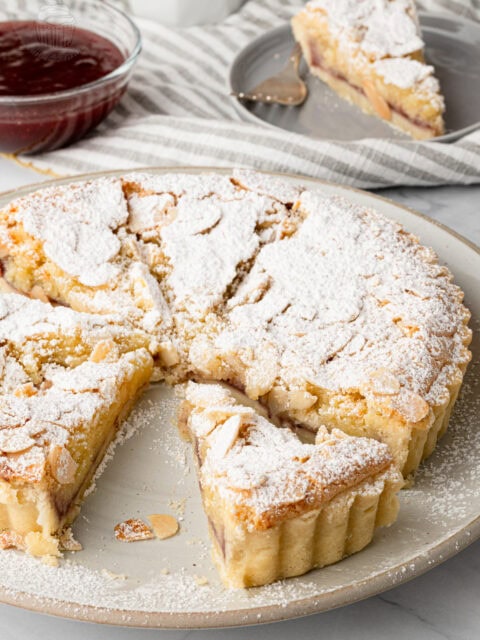
Some of the most popular recipes using caster sugar include Victoria Sponge, Banana Loaf, Chocolate Brownies, Shortbread, Meringues, Swiss Roll, Pancakes and many traditional British puddings.