Margarine
A complete ingredient guide to baking with margarine, including the differences between block & soft margarine, when to choose it over butter, and why it’s been a staple ingredient in British baking for generations.
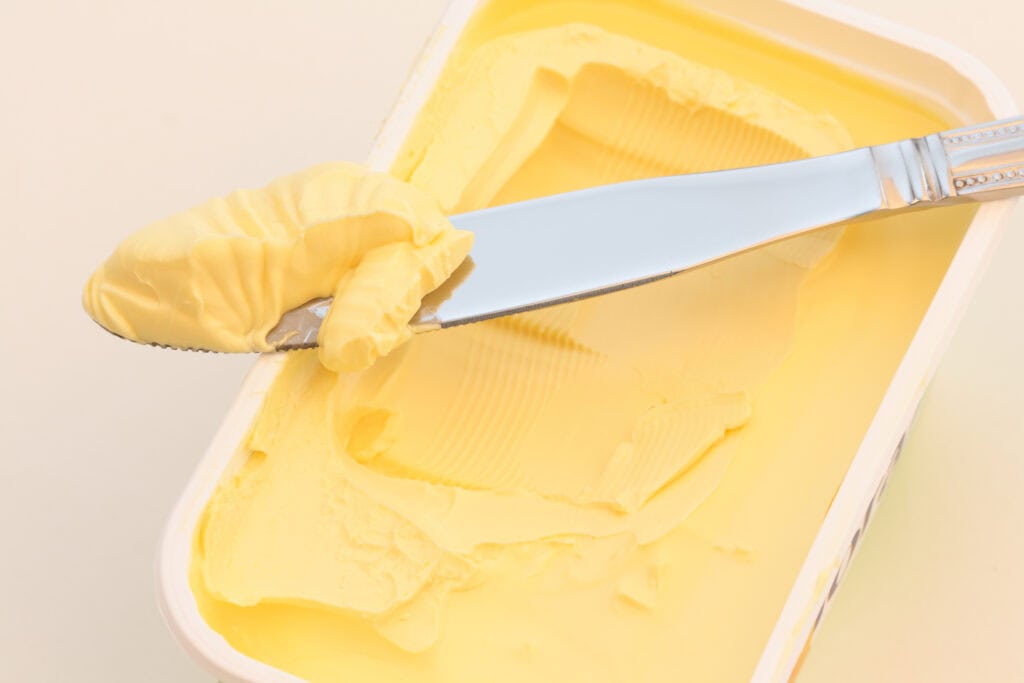
Unlike butter, margarine often gets a mixed reputation, especially online. But in British baking, it’s been a trusted ingredient for generations, producing everything from light sponge cakes to flaky pastry and classic tray bakes.
So what even is margarine? How does it actually compare to butter? And which type is best for baking?
Quick Baking Facts
- Also Known As: “Marg”, “Spread”, “Vegetable Margarine”
- Best For: Cakes, puddings, biscuits, pastry & everyday baking.
- Texture: Available as both soft (tub) and firm (block).
- Flavour: Mild and buttery.
- Gluten-free? Usually, yes.
- Vegan? Many are, but not all.
Although butter is often seen as the traditional choice for baking, margarine has played just as important a role in British bakes for well over a century. Originally introduced as a more affordable alternative to butter, it quickly became the everyday baking fat in homes across the UK, helping create everything from cakes and tray bakes to biscuits and pastry.
Today, margarine remains a popular choice for many home bakers. While butter may get most of the attention, a good-quality British margarine can produce fantastic results in all sorts of baking. In fact, many of the classic recipes that we still enjoy today would have originally been developed using margarine rather than butter!
What is Margarine?
Margarine is a fat made from vegetable oils that’s designed to be used in much the same way as butter is. Depending on the product, it may be sold in a soft tub for spreading or as a firmer block that’s better suited to baking and cooking.
While margarine was originally developed as a more affordable alternative to butter, today’s products have come a long way. Modern British baking margarines produce excellent results in everything from sponge cakes & biscuits to pastry & tray bakes, making them a popular choice in many UK home kitchens and a staple ingredient in commercial food production.
It’s also worth remembering that not all margarines are the same. Products can vary massively from country to country – generally speaking, margarine in the US can be quite different from that in the UK.
Is Margarine the same as Butter?
No – margarine and butter are two different ingredients, although they can often be used in many of the same ways when baking. Butter is made with cream (from cow’s milk), whereas margarine is made from vegetable oils, which are blended to create a product with a similar texture & performance to butter.
Margarine became a popular alternative to butter in British baking during the late 19th and early 20th centuries. It was more affordable, more widely available, and often easier than butter to get hold of during times of war & rationing1. It also behaves similarly to butter in many recipes. As a result, many traditional British cakes, tray bakes and biscuits were even originally developed using margarine rather than butter.
While butter can have a richer flavour, margarine has its own strengths. Depending on the recipe, it can produce light sponge cakes, perfect pastry and biscuits with bite. Which is why you’ll usually see me recommend using either margarine or butter in all my recipes on Baking with Granny. They are different ingredients, but both have their strengths and reasons to use.
Where can I buy Margarine?
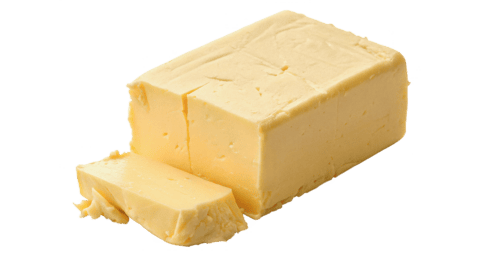
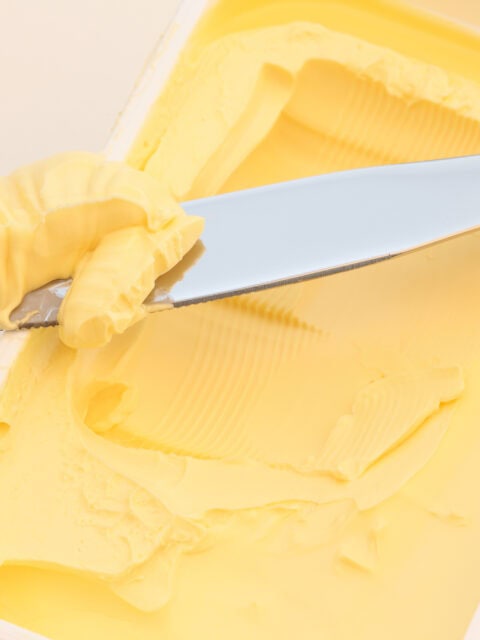
Margarine is widely available in every supermarket across the UK. You’ll find it in the fridge aisle beside the butter and other fresh dairy products. You will usually find it in two varieties: block margarine, which is wrapped in paper like butter, and soft margarine, which comes in a tub. The most recognisable brand of baking margarine in the UK is Stork, which comes in both a baking block and soft baking spread, but most supermarkets also do their own-brand versions now, too.
Outside the UK, margarine quality can vary greatly, so it is often a better option to use unsalted butter in place of margarine.
Why do British recipes use Margarine?
There isn’t one single reason why margarine remains so popular in British baking. For many, it’s simply a case of using what they’ve always known. Many family recipes passed down through the generations were written using margarine, and many of us grew up eating cakes, biscuits and tray bakes baked with it.
It’s also an affordable choice. While butter has become increasingly expensive over the years, margarine still offers great, predictable results for everyday baking without costing quite as much. That is also why it is often used in commercial bakeries2. In fact, unless a product is specifically labelled as “all-butter”, there’s a good chance it has been made using margarine or other vegetable fats instead.
I also often choose margarine because it means everyone in my house can enjoy my baking, including those avoiding dairy. While not every margarine is dairy-free, many are, making them a great alternative for people with dairy allergies or intolerances, those following a plant-based or vegan diet, or even for anyone looking to reduce their carbon footprint3.
What if I can’t get a British Margarine?
If you live outside the UK, you will probably find that the margarine in your local supermarket is quite a bit different from the ones commonly used in British baking, with block margarines usually being around 70-75% fat (so only slightly less than that of butter). This is especially true in the United States, where margarine is produced to different standards, so butter is generally the more popular choice for home baking.
But don’t worry if you can’t find a good-quality baking margarine! Unsalted butter is a great substitute that can be used like-for-like, and what I actually list as a substitute in the US ingredient conversions on Baking with Granny, as it’s universally available and gives consistently good results.
You may also have heard mixed opinions about margarine over the years, but it is worth noting that, again, they can vary from country to country, and that modern margarines are very different from those which were available decades ago.
What does Margarine do in baking?
Margarine does much more than simply replace butter in a recipe. It can also:
- Create a tender texture: The fat coats the flour and limits gluten development, making softer cakes and scones.
- Add moisture: Margarine helps keep cakes, scones and buns moist, giving them a softness that stays fresher for longer.
- Trap air when creamed: When beaten together with sugar, margarine traps tiny air bubbles that expand in the oven, helping create lighter bakes.
- Carry flavour: While milder than butter, margarine still adds some richness while also carrying flavours like vanilla, lemon and spices.
- Help create structure: Fats play an important role in the overall texture and structure of your baking, contributing to everything from crumbly biscuits to soft scones.
- Keep bakes fresher for longer: The fat in margarine helps slow down bakes going stale, meaning many cakes and bakes stay softer for longer.
Block vs Soft Margarine – what’s the difference?
Although both are types of margarine, they aren’t exactly the same. The main difference is their consistency, which makes each one better suited to different types of baking.
- Block margarine is firm and behaves just like butter. It’s best for recipes where the fat needs to hold its shape, like in biscuits, pastries and buttercream.
- Soft margarine, which is usually sold in tubs and sometimes called “soft spread”, is much softer and easier to cream together with sugar. Because of that, it’s the preferred option for cakes, creating light, soft sponges, with predictable results.
So it’s always worth using the type of margarine recommended in a recipe. If you’re making one of my cakes here on Baking with Granny, you’ll find I use soft margarine. Whereas for pastry, biscuits & most other recipes, I will recommend using a block margarine instead.
Can I substitute Margarine and Butter?
Although both are types of margarine, they aren’t exactly the same. The main difference is their consistency, which makes each one better suited to different types of baking.
- Block margarine is firm and behaves just like butter. It’s best for recipes where the fat needs to hold its shape, like in biscuits, pastries and buttercream.
- Soft margarine, which is usually sold in tubs and sometimes called “soft spread”, is much softer and easier to cream together with sugar. Because of that, it’s the better option for cakes, creating light, soft sponges with predictable results.
So it’s always worth using the type of margarine recommended in a recipe. If you’re making one of my cake recipes here on Baking with Granny, you’ll find I use soft margarine. Whereas for pastry, biscuits & most other recipes, I will recommend using a block margarine instead.
Amy’s Top Tips for Margarine
- Choose the Right Type: Block margarine and soft margarine are not interchangeable in every recipe. Soft margarine is ideal for cakes, while block margarine works best for biscuits, scones, pastry and buttercream. Using the right one will give you the best results.
- Bring it to Room Temperature: Unless your recipe says otherwise, allow your margarine to come to room temperature (ie. softened) before baking. Using ingredients that are all at a similar temperature helps create a more even bake.
- Avoid Low-fat Spreads: Products labelled as “light” or “reduced-fat” spreads contain more water and less fat than baking margarine. These will affect the texture and structure of your bakes, so they’re best avoided (unless a recipe specifically states them).
- Store it Properly: Keep margarine in the fridge and always check the best-before date. If you’re planning to bake, first check if your recipe calls for cold or softened margarine. And if it is to be softened, try to remember to take it out a little while beforehand so it has time to warm to room temperature.
- Don’t Rule Out Margarine: Butter may have gained more popularity these days, but margarine has been used in British baking for generations. Many classic cakes, tray bakes and biscuits were originally developed using margarine and still taste great when made with it today.
Is Margarine vegetarian? Is Margarine vegan?
Many are, but not all. Some margarine is made with buttermilk added, in which case it should be vegetarian but not vegan. However, most baking margarines in the UK are plant-based, but it’s always worth double-checking the label if this is something you need to consider.
Is Margarine gluten-free?
Yes, you will find that margarine is generally gluten-free as it is usually made from vegetable oils, water and salt. But as always, it’s worth checking the labels for allergens if this is something you need to consider.
Storage & Shelf Life of Margarine:
- Keep margarine refrigerated, both before and after opening.
- Once opened, store it in its original packaging or a sealed container to help keep it fresh & prevent it from picking up odours from other foods.
- Always check the best-before date on the packaging and use within the manufacturer’s recommended timeframe.
- If your margarine develops any unusual smell, flavour or appearance, it’s best to replace it.
- Margarine can be frozen if needed. Freeze it in its original packaging or an airtight container, then thaw it in the fridge before using.
What kind of recipes use Margarine?
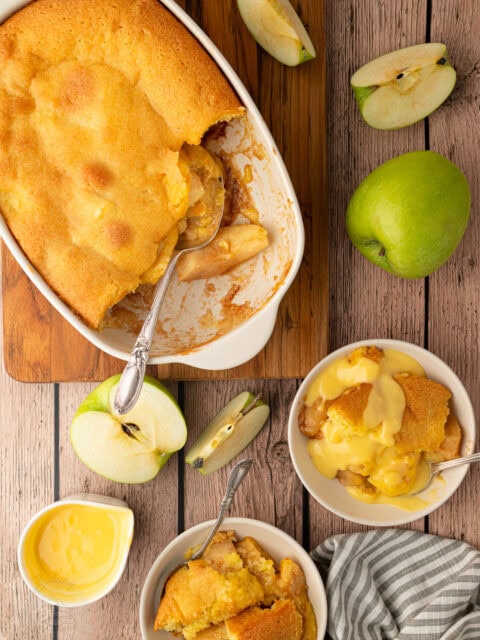
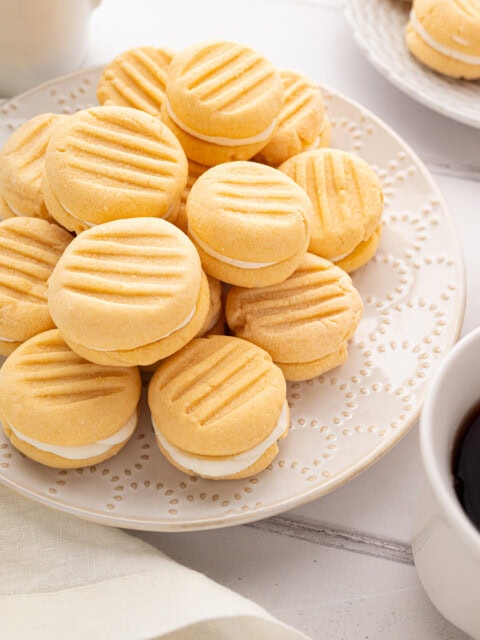
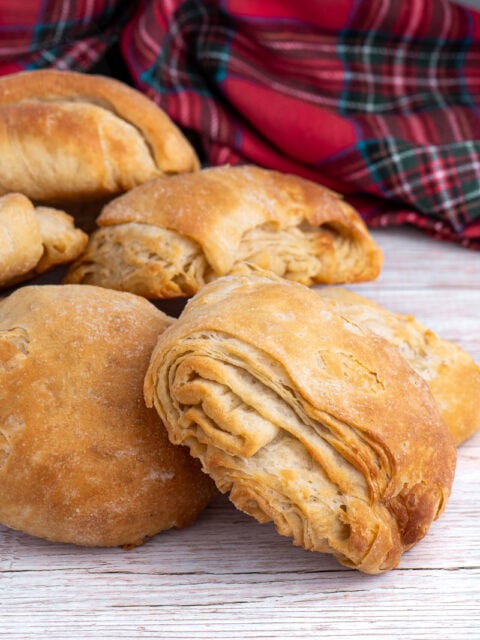
Margarine has been a staple ingredient in British baking for generations and is used in all sorts of sweet and savoury recipes. Soft margarine is especially popular in cakes, where it helps create a light, soft sponge, while block margarine is often used in biscuits, scones, pastry and buttercream.
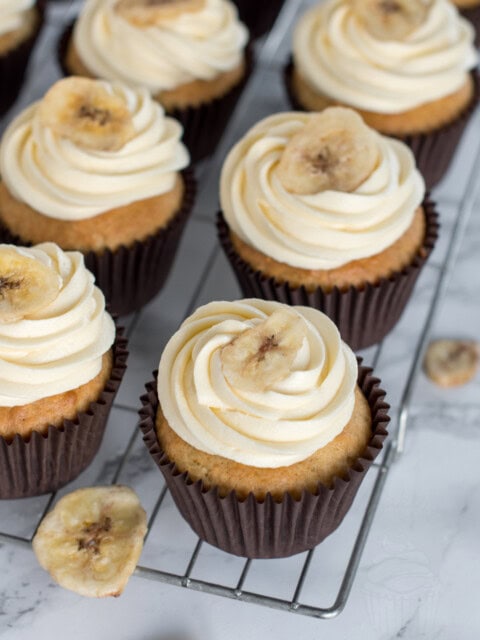
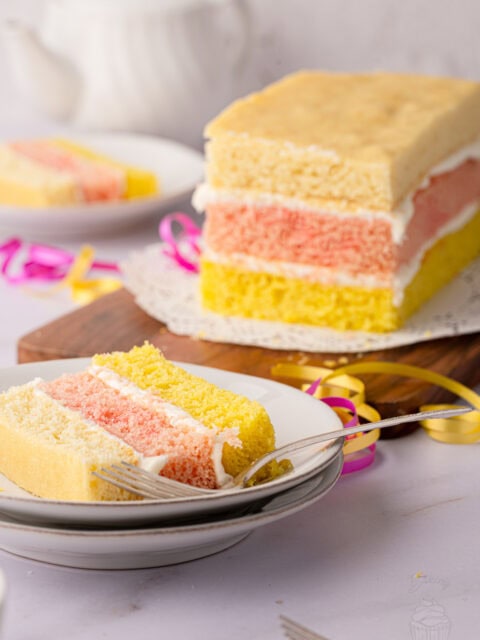
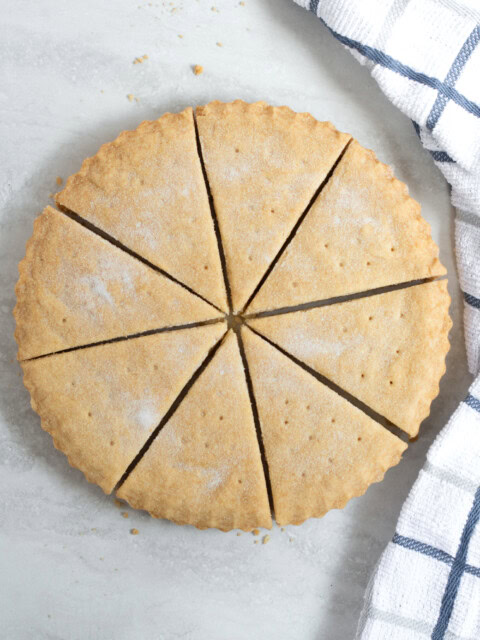
Some of the most popular recipes using margarine include Victoria Sponge, School Cake, Banana Loaf, Butterfly Cakes, Fruit Scones, Jam Tarts, Empire Biscuits, Cornflake Tart and countless other traditional British bakes. On Baking with Granny, you’ll find margarine used in pretty much everything – including recipes that have been passed down through generations of home bakers.