

Summarise & Save this Recipe on:
Summarise & Save this Recipe on:
It’s no secret that here at Baking with Granny, we are a very Scottish family – in fact, we have a large selection of Scottish recipes. With that in mind, Welsh Cakes may come as a bit of a surprise.
That being said, we do actually have a lot of family in Wales. Papa in particular is always quick to embrace his Welsh cousins and show support, especially when it comes to the rugby. If Scotland aren’t playing but Wales are, Papa (who is a very proud Scot!) will have his Wales strip on, cheering them on. This is especially true when it’s Wales vs. England… however, I’m sure I’ve also seen Papa become a little bit Irish, a tiny bit French and even a smidgen Italian when it comes to rugby matches against England!
The point I am making, though, is that with Baking with Granny being of Scottish heritage, like many Scots, we have great fondness for Wales and the Welsh people. With both Scotland and Wales having Celtic roots, there is a bit of an unspoken alliance between the two nations (as well as our Celtic nations). And not just because, even as separate nations, we equally like to moan about Westminster rule…
But enough about nationalism, and let’s talk about these Welsh Cakes!

So, what are Welsh Cakes?
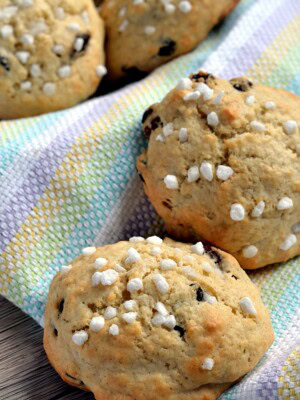
I find the best way to describe a Welsh Cake is somewhere between a scone and a pancake. Historically, they were made on a bakestone over an open fire in Welsh farmhouses and cottages, and later became a popular addition to miners’ lunchboxes. Nowadays, you will find Welsh Cakes in most supermarkets, particularly in Wales. However, like many things, when baked freshly at home, they taste so much better.
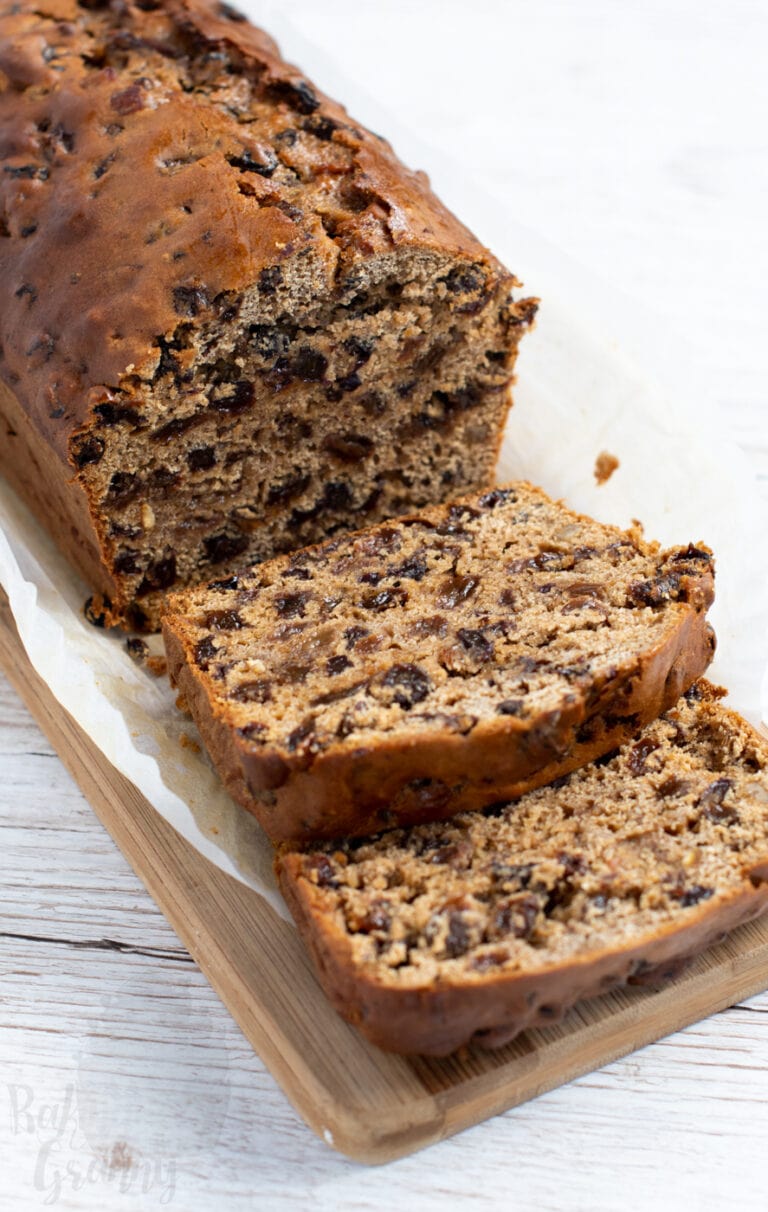
Welsh Cakes make a delicious teatime treat and are easy to make with ingredients you probably already have in your kitchen. Why not whip yourself up a batch, as well as a loaf of Bara Brith, this St David’s Day!

Ingredients for Welsh Cakes:
Self-raising Flour
Self-raising flour is the flour of choice in this recipe, to give your Welsh Cakes a little bit of lift and rise as they cook. Fear not if you only have plain flour – you can easily add some baking powder to gain the same effect. See my Self-raising Ingredient Guide for how to do this.
Mixed Spice
One of my favourite ingredients to add when baking (anything really!). With a bit of experimenting, Granny found the addition of mixed spice gave Welsh Cakes just a little extra something that they were missing. You can buy little jars of Mixed Spice in my UK supermarkets, but if you are overseas, you can easily mix your own from individual spices.
Caster Sugar
Welsh Cakes aren’t overly sweet, but they certainly need a little bit of sugar nonetheless. Caster sugar is ideal, as it is finer than granulated sugar, so it works well in batters and doughs. Plus, a sprinkling of caster sugar on your Welsh Cakes will give you that recognisable finish.
Butter/Margarine
Butter would likely be the traditional fat used in Welsh Cakes, with many arguing it will also give you the best flavour. However, a good block of margarine can be just as good and a great way to omit some dairy, should you desire. Just be sure to use a block margarine (as opposed to a spread) to mimic the same texture as butter.
Currants
They may not be everyone’s favourite dried fruit, but they really are the top dog when it comes to Welsh Cakes. Both the texture and taste of currants are unmatched in this instance, but if you are someone who really can’t stand currants, you could swap them out for raisins.
Free-range Egg
An egg helps bind the ingredients together, as well as adds a little moisture to your dough. The size of your egg isn’t particularly important in this recipe – just be sure they are free-range.
Milk
The addition of milk helps take the Welsh Cakes ingredients from dry to dough. The recipe states 1-2 tablespoons, but you can use a little bit more if your dough feels too dry.
Dairy milk is what would traditionally be used, but you can, of course, experiment with different milks should you wish to omit the dairy.

Save this recipe!
Want to save this recipe for later? Pop your email below and come back to it when you’re ready to bake.

Welsh Cakes
INGREDIENTS
- 230 g Self-raising Flour (see Self-raising Flour note below)
- ½ tsp Mixed Spice
- 70 g Caster Sugar
- 110 g Block Margarine or Butter (cold; cubed)
- 70 g Currants
- 1 Free-range Egg (beaten; at room temperature; see Egg Size note below)
- 1-2 tbsp Milk
INSTRUCTIONS
- In a large bowl, add the flour, sugar and
mixed spice . Stir to combine. - Add the margarine/butter and rub it into the dry ingredients with your fingers until the mixture resembles fine breadcrumbs. Add the currants and mix.
- Add the egg and the milk, and mix to form a fairly stiff dough – you may need to use your hands to do this. If your dough feels too dry, add a little extra milk.
- Tip the dough onto a floured surface and gently knead for a moment to bring it together.
- Heat a frying pan or flat griddle pan over a low-medium heat. Let it come to heat while you prepare your Welsh Cakes.
- Using a rolling pin, roll the dough to about 5mm (¼ inch) thick, then cut into circles with a round 7cm (2¾ inch) cutter. Set each circle aside once cut, and re-roll the dough until you have around 12-15 round cakes.
- Lightly grease your frying/griddle pan before placing your cakes on it, keeping a bit of space between them (be careful not to overcrowd your pan – you will need to do this in batches). Cook the cakes for 3-5 minutes on each side, or until golden brown.
- Place the cooked Welsh cakes on a wire cooling rack to cool and dust with a little extra sugar to finish.
IMPORTANT NOTE:
All my recipes are developed using a digital scale and the metric system (grams and millilitres). Cup measurements are available as a conversion, but these, unfortunately, won’t always be as accurate. For best results, I always recommend baking with a digital scale.
RECIPE NOTES:
LIKE THIS RECIPE?
Leave a comment and rating below!
I should point out as well that, like my Bara Brith, this recipe comes directly from a Welshman; my godmother’s partner, to be exact. We may be able to confidently claim our recipes to be traditional when they are Scottish, but I wanted to make sure our Welsh recipes come from a reliable source too.
So, a special shout-out goes to Stephen for being kind enough to share his Welsh Cakes recipe!







ABOUT THE AUTHOR
Amy Beth Reid
Amy Beth Reid is an award-winning food blogger, mother, wife and cookbook author. Inspired by her childhood in the kitchen with her Mum – a professional baker and her children’s Granny – Amy now shares her tried-and-tested traditional home baking recipes with bakers of all abilities around the world. She lives in Scotland with her husband, two sons and her small pack of Siberian huskies.