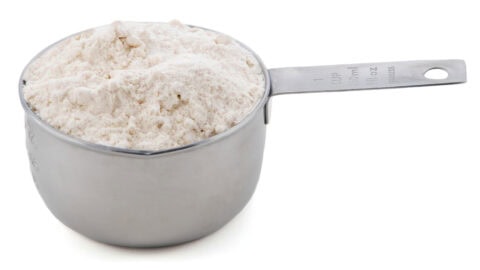
Plain Flour
A complete ingredient guide to plain flour, including what it is, how it’s used in baking, how it compares to other flours and the best recipes to make with it.
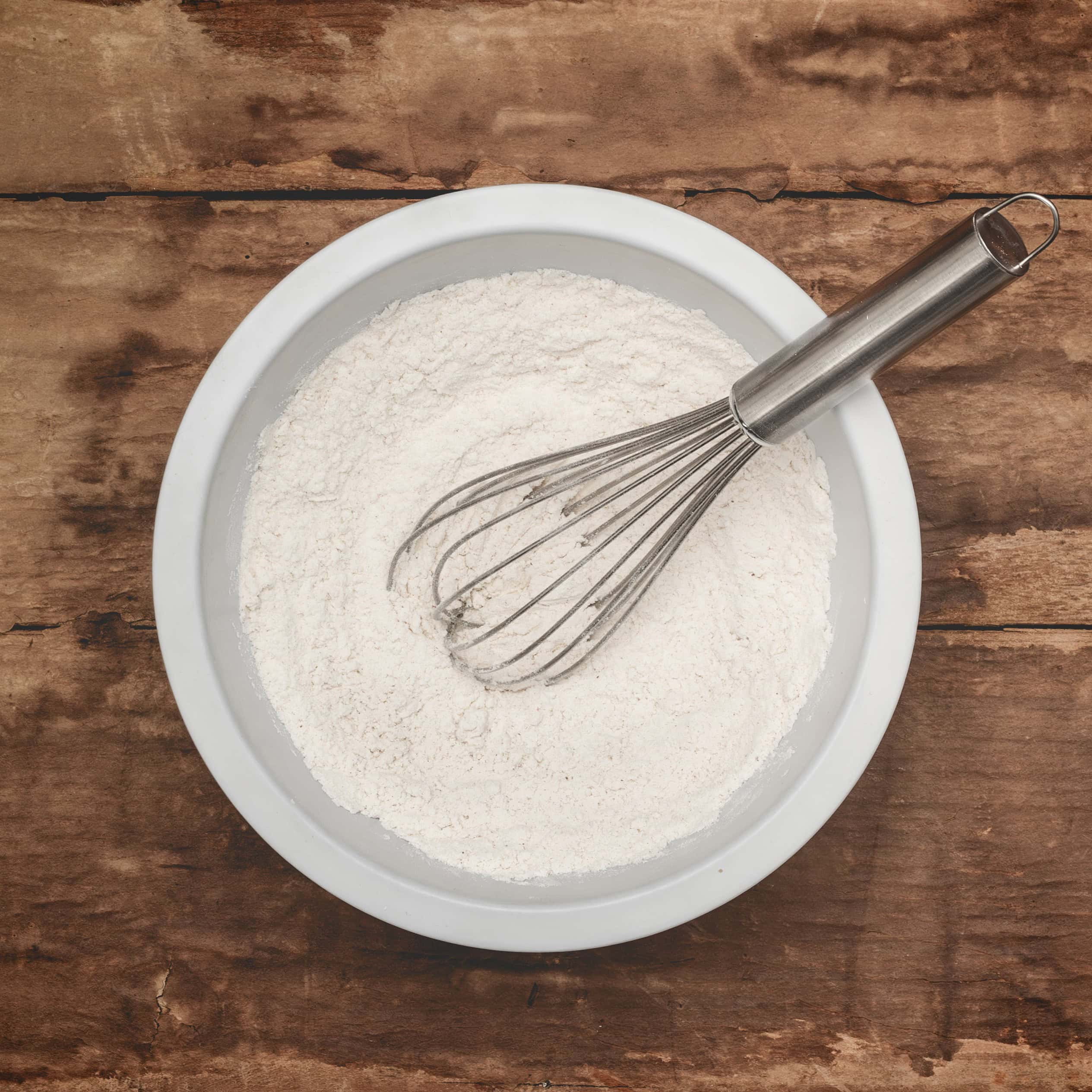
It’s one of the hardest-working ingredients in any baker’s kitchen. Used in everything from biscuits and pastry to pancakes, crumbles and sauces, it’s a real baking cupboard essential. But if you’re following a British recipe from elsewhere in the world, you might be wondering what plain flour actually is.
So what exactly is plain flour? How is it different from self-raising flour? And is it the same as all-purpose flour?
Quick Baking Facts
- Also Known As: “All-purpose Flour,” “White Flour.”
- Best For: Biscuits, pastries, pancakes, sauces, crumbles, cakes…and more!
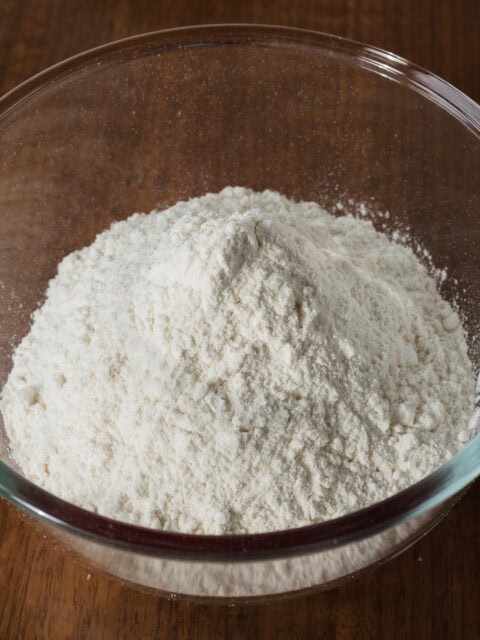
- Texture: Fine, soft powder.
- Flavour: Neutral, not used for taste.
- Gluten-free? No (unless using a gluten-free version).
- Vegan? Yes.
Plain flour is one of the most versatile ingredients you can keep in your baking cupboard. Without any added raising agents, it’s perfect for everything from pastry and biscuits to pancakes, sauces and homemade self-raising flour.
Known as all-purpose flour in the United States, it’s used in all sorts of sweet and savoury recipes. It’s probably one of the hardest-working ingredients in the kitchen, whether you’re baking a crumble, making pancakes or stirring together a homemade white sauce.
What is Plain Flour?
Plain flour is a finely milled wheat flour with no added raising agents, making it one of the most versatile flours you can keep in your kitchen. Because it doesn’t contain baking powder, it’s suitable for a huge range of recipes, from biscuits and pastry to pancakes, sauces and crumbles. If a recipe does need some help to rise, you’ll simply need to add a raising agent to the flour, such as baking powder or bicarbonate of soda, depending on the recipe.
In the United States, plain flour is known as all-purpose flour, and the two can be used interchangeably.
Is Plain Flour the same as All-purpose Flour (the US equivalent)?
Yes, in most cases, plain flour and all-purpose flour are the same thing. “Plain flour” is the name commonly used in the UK, while “all-purpose flour” is what you’ll usually find in the United States. Both are versatile wheat flours with no added raising agents.
There can be slight differences in protein content between brands and countries, but for everyday baking they’re generally similar enough. If you’re following one of my recipes here on Baking with Granny and you are outside of the UK, all-purpose flour will usually give you the best results when plain flour is listed in the ingredients. You’ll also find that my ingredient conversions on recipes will swap the plain flour to all-purpose flour automatically.
What does Plain Flour do in baking?
Plain flour does much more than just make up the bulk of a recipe. It can also:
- Provide structure: The proteins in plain flour form gluten when mixed with liquid, giving your bakes the structure they need to hold their shape.
- Create different textures: Because it doesn’t contain any raising agents, plain flour can be used to make everything from pastry and biscuits to pancakes and cakes.
- Total control over rise: Plain flour gives you complete control over how your bakes rise, letting you add baking powder, bicarbonate of soda or yeast depending on the recipe.
- Help bind ingredients: When mixed with eggs or liquids, plain flour helps hold batters and doughs together.
- Create a crisp finish: Whether you’re making pastry, biscuits or a crumble topping, plain flour helps create a lovely crisp, golden finish as it bakes.
- Thicken sauces and fillings: Plain flour also absorbs liquid as it cooks, making it perfect for thickening white sauces, gravies, fruit fillings and stews.
Where can I buy Plain Flour?
Plain flour is widely available in every supermarket across the UK, as well as in farm shops, corner stores and most food shops. You’ll usually find it in the baking aisle alongside self-raising flour, strong bread flour and all your other baking essentials.
If you’re baking from outside the UK, look for all-purpose flour instead. Despite the different name, it’s the same flour that’s known as plain flour here in the UK.
Can I make Self-raising Flour from Plain Flour?
Yes! If you’ve run out of self-raising flour, it’s easy to make your own using plain flour and baking powder. Simply mix the two together, and you’ll have a homemade self-raising flour that’s perfect for cakes, scones and many other bakes.
For the exact ratios, conversion charts and my top tips, take a look at my Complete Guide to Self-raising Flour.
Can I use Plain Flour instead of Strong Bread Flour?
Yes! While strong bread flour is the best choice for most bread recipes, plain flour can often be used instead if that’s all you have. Strong bread flour contains more protein than plain flour, which allows more gluten to develop, giving bread a chewier texture, better structure and a higher rise (which is also why it’s not great for cakes).
Because plain flour contains slightly less protein, your dough might feel a little softer, and your loaf may not rise quite as much. However, by kneading the dough for a little longer than usual, you can encourage more gluten to develop, which helps improve the structure of your bread.
In fact, I often use a combination of plain flour and strong bread flour in some of my bun recipes. The strong bread flour gives the dough structure and chew, while the plain flour helps create a softer, lighter finish. It’s a great way to get the best of both worlds!
If plain flour is all you have, don’t let that stop you from baking. It won’t be exactly the same as using strong bread flour, but it will still make a lovely homemade loaf – just like many of us discovered during the flour shortages of 2020!
Amy’s Top Tips for Plain Flour
- Sift Before Using: Plain flour can become compacted while stored, so a quick sift helps break up any lumps and gives you a lighter, smoother batter or dough. If your flour has been sitting in the cupboard for a while, it’s worth taking the extra time to sift before use.
- Measure by Weight Where You Can: For the most consistent results, weigh your flour rather than measuring it in cups. A few extra grams might not sound like much, but they can make the difference between a lovely light bake and an unintentionally heavy one.
- Don’t Pack Flour into Cups: If you are using cup measurements, spoon the flour into the cup and level it off with a knife rather than scooping directly from the bag. This helps avoid adding too much flour, which can make your bakes dense and dry.
- Keep it Handy: Plain flour is one of the most versatile ingredients you can keep in your cupboard. Whether you’re making pastry, pancakes, biscuits or even homemade self-raising flour, it’s a true baking essential.
- Store it Somewhere Cool & Dry: Keep plain flour in an airtight container away from heat and moisture. This helps keep it fresh for longer and prevents unwanted pests or mould.
Is Plain Flour vegetarian? Is Plain Flour vegan?
Yes and yes! Plain flour is typically made from milled wheat only, making it naturally suitable for both vegetarians and vegans.
Is Plain Flour gluten-free?
No. Traditional plain flour is made from wheat, so it contains gluten and isn’t suitable for anyone following a gluten-free diet or those with coeliac disease.
The good news is that many supermarkets now stock gluten-free plain flour, which is specially formulated for baking. In many recipes, it can be substituted like-for-like with traditional plain flour, although the finished texture may vary slightly depending on the brand of flour.
Storage & Shelf Life of Plain Flour:
- Keep plain flour in a cool, dry cupboard, away from direct sunlight and moisture.
- Once opened, transfer it to an airtight container or reseal the bag tightly after each use.
- Avoid storing plain flour near the cooker, kettle or dishwasher, where heat and steam can affect its quality & freshness.
- Plain flour has a long shelf life when stored correctly, but always check the best-before date before baking.
- If your flour develops an unusual smell, changes colour or shows any signs of moisture or pests, it’s best to replace it.
What kind of recipes use Plain Flour?
Plain flour is one of the most versatile ingredients you can keep in your baking cupboard. Because it doesn’t contain any added raising agents, it’s suitable for everything from pastry and biscuits to pancakes, crumbles and sauces. It can also be combined with baking powder or bicarbonate of soda when a recipe needs a little bit of extra lift.
Some of the most popular recipes using plain flour include shortcrust pastry, pancakes, biscuits, crumble toppings and cookies. On Baking with Granny, you’ll also find traditional favourites such as Rhubarb Crumble, Empire Biscuits, Shortbread, Caramel Shortbread, Apple Pie, Viennese Whirls, and Gingerbread Men, along with plenty of other classic British bakes made with plain flour.
While plain flour is incredibly versatile, it isn’t always the best choice. Many recipes, like cakes and scones, are often better made with self-raising flour, while bread recipes usually benefit from using a strong bread flour instead.