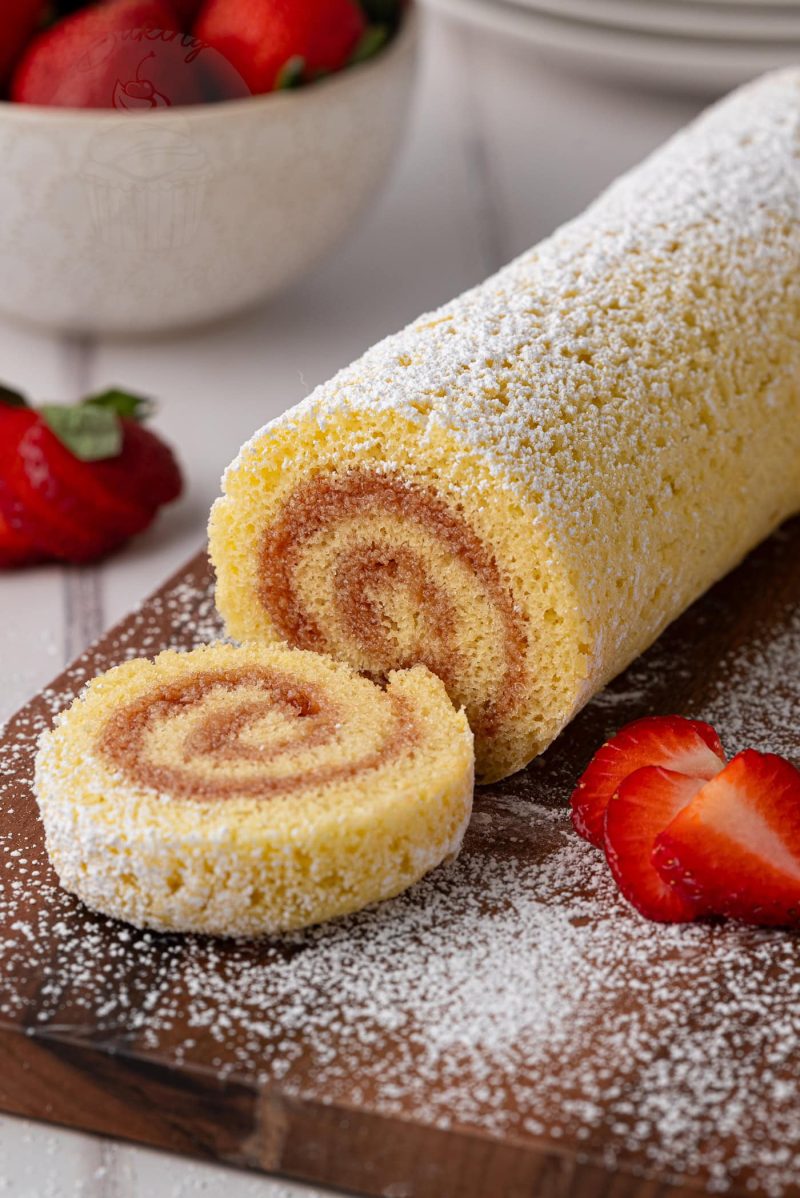
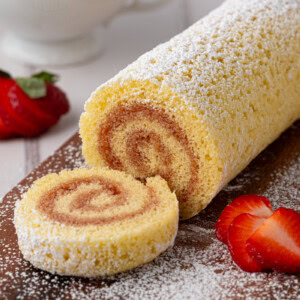
Soft, light sponge rolled with sweet jam and finished with a dusting of icing sugar – this Swiss Roll is a classic British teatime bake. Surprisingly simple to make, it’s a recipe that not only looks impressive but uses just a handful of everyday ingredients.
Summarise & Save this Recipe on:
Summarise & Save this Recipe on:
Swiss Roll is a cake that reminds me of being a kid. There’s something quite comforting about a little swirly roll of cake, filled with sweet strawberry jam.
A Swiss Roll is a light sponge cake baked in a thin layer, spread with jam, cream and sometimes fruit, and carefully rolled into a spiral. Despite the name, it didn’t actually originate in Switzerland and is believed to have developed somewhere in Central Europe during the 19th century before becoming a classic teatime bake in the UK, much like Victoria Sponge and Madeira Cake.
It’s a cake I always remember getting from our local Safeway, but one I seldom remember my Mum baking. That said, I was keen to give it a go. I seemed to have a mental block that Swiss Roll was overly complicated, and that was why my Mum didn’t make it much.
Spoiler alert: it’s not.
In fact, it’s really quite simple and takes very little time to make, although there are a few must-dos and must-not-dos for success, which is exactly why I created a video to accompany this recipe!
The sponge itself for this Swiss Roll is one of my most favourite sponge cakes. It is made from just 3 ingredients: sugar, eggs and flour. That’s right, no butter or margarine – in fact, no fat at all. This makes it super light and fluffy, but also means there’s less room for error in getting it “just right.” In particular, you need to whisk your eggs and sugar to a perfectly pale, light-textured consistency. Plus, you have to be right on top of the baking time – a minute or two over/under, and you’ll not have success in your Swiss Roll.
Then comes the rolling! This was the part of Swiss Roll baking that I had been dreading. But with a bit of preparation, it’s actually nowhere near as difficult as you first think. You want to work with your Swiss Roll sponge as soon as it’s baked; letting it cool too much will cause the sponge to crack. And if you use greaseproof paper to your advantage, it will make rolling a million times easier, not to mention much less messy!
I’ve covered each step for success in the recipe below, but the video is also an excellent tool for getting your Swiss Roll method perfect, and it is less than a minute long.
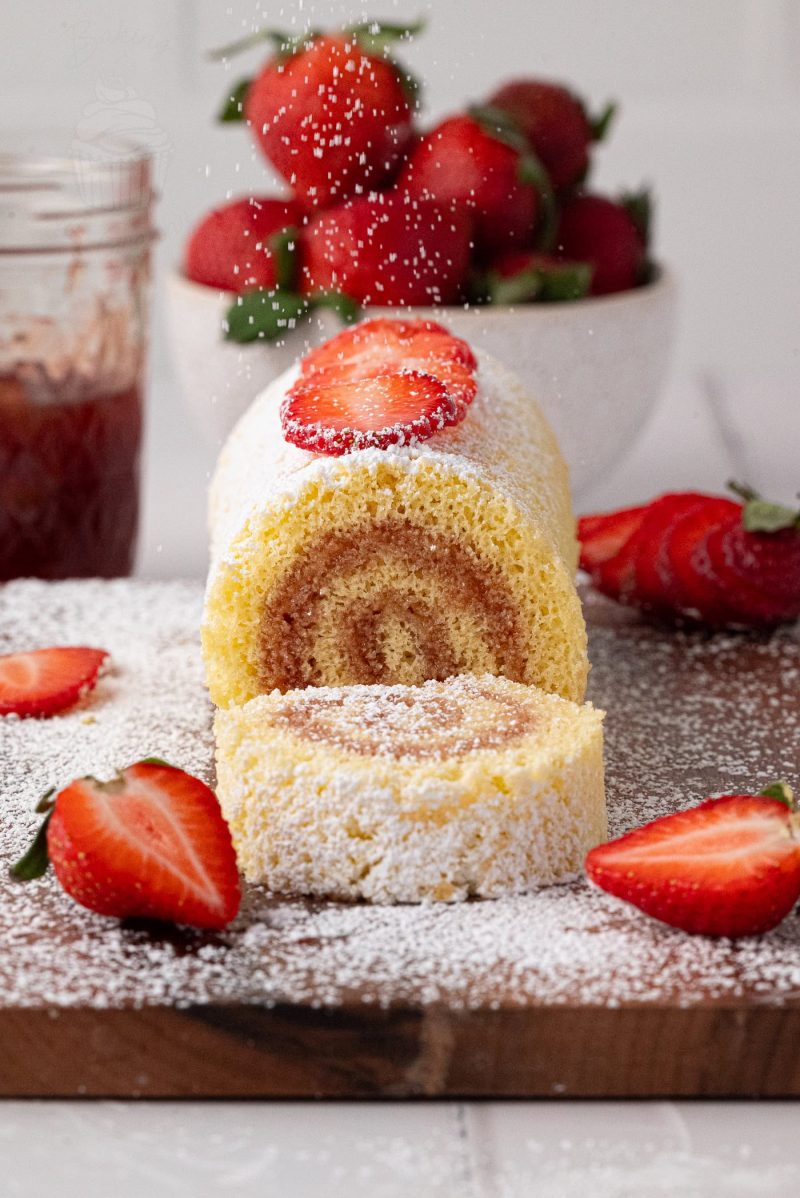
How to Make Swiss Roll
Free-from & Vegan
Gluten-Free: To make a gluten-free Swiss Roll, you could try using a gluten-free self-raising flour blend in place of the flour in this recipe. Results may vary depending on the blend used, and the texture may be slightly different, too.
Dairy-Free:
This Swiss Roll sponge itself is naturally dairy-free, but be sure to check your jam and icing sugar if you need the recipe to be completely dairy-free.
Vegan: The sponge in this recipe relies heavily on eggs, so egg substitutes are unlikely to give reliable results. Instead, it’d be best to follow a recipe that has been specifically developed to be a vegan Swiss Roll from the start, like this Vegan Swiss Roll from AllergyMums.
N.B. Any advice or suggestions to make recipes “free-from” or vegan are purely that – suggestions. Please be careful to double-check all ingredients individually, taking extra caution when serving to those with allergies & intolerances.
For more info on common food allergies, please see food.gov.uk | For more info on coeliac disease, please see coeliac.org.uk | For more info on a vegan diet, please see vegansociety.com
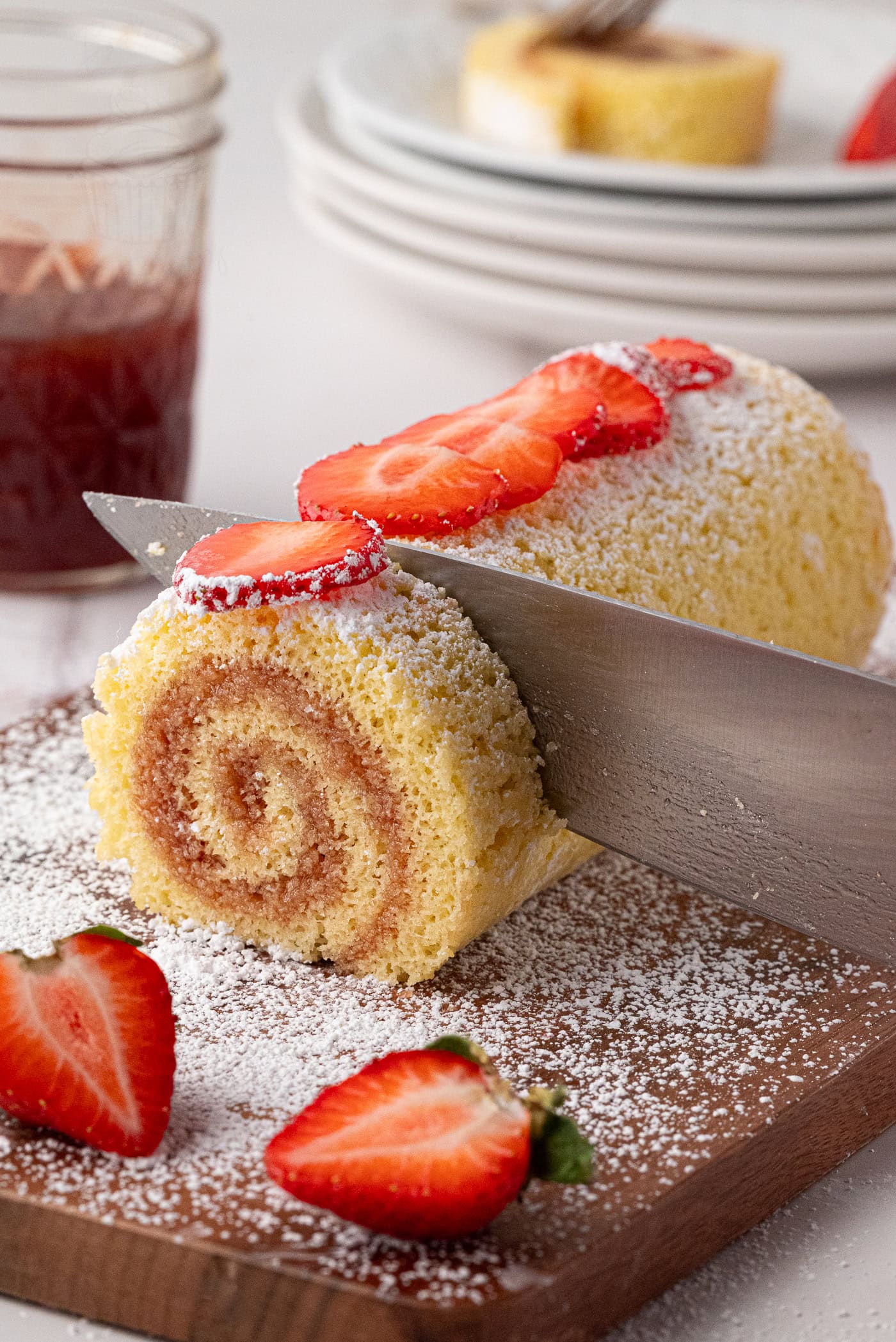
Updated photos created by Naomi Seiler.
Top Tips for Swiss Roll
- Line Your Tin Well: Swiss Roll sponge is thin and quite delicate, so make sure your baking tray is fully lined with greaseproof paper. Leave a little overhang if possible, as this will make it easier to lift the sponge out once it’s baked.
- Don’t Overbake the Sponge: Because the sponge layer is thin, it only needs a short time in the oven. Overbaking will dry it out and make it more likely to crack when rolling. So watch it like a hawk!
- Roll While it’s Warm: This is the secret to a neat Swiss Roll! Turn the sponge out onto a sheet of greaseproof paper dusted with sugar, and roll it up straight away. If you leave it to cool, it won’t be as pliable, will crack more easily, and won’t roll as tightly.
- Warm the Jam: If your jam is thick, warming it briefly makes it much easier to spread without tearing the sponge. You can either do this in a microwave or over a bain-marie.
- Don’t Overfill the Swiss Roll: It is tempting to add lots of filling, but too much jam will squeeze out when rolling. A thin, even layer works best.
Swiss Roll FAQs
A Swiss Roll is a light sponge cake baked in a thin layer, spread with jam or cream, and rolled into a spiral. Despite the name, it isn’t actually from Switzerland and has become a classic British teatime bake often filled with strawberry or raspberry jam.
To make a Swiss Roll, you bake a thin sponge cake in a lined Swiss Roll tin, then turn it out onto sugar-dusted greaseproof paper and roll it while still warm. Once the sponge has cooled slightly, it’s unrolled, spread with jam or cream, and rolled up again to create the classic spiral.
No, despite the name, Swiss Roll is not actually from Switzerland.
It is believed the cake likely originated somewhere in Central Europe in the 19th century, with similar rolled sponge cakes appearing in countries like Austria and Hungary. The technique of baking a thin sponge and rolling it with jam or cream spread across Europe and eventually became popular in the United Kingdom, too.
Swiss Rolls usually crack if the sponge has been overbaked or if it has been allowed to cool before rolling. Rolling the sponge while it’s still warm helps it keep its shape and prevents cracking.
The best way to roll a Swiss Roll without breaking it is to roll the sponge straight after baking while it is still warm. Turn the sponge out onto sugar-dusted greaseproof paper, roll it up, and allow it to cool before serving.
More Classic British Cakes
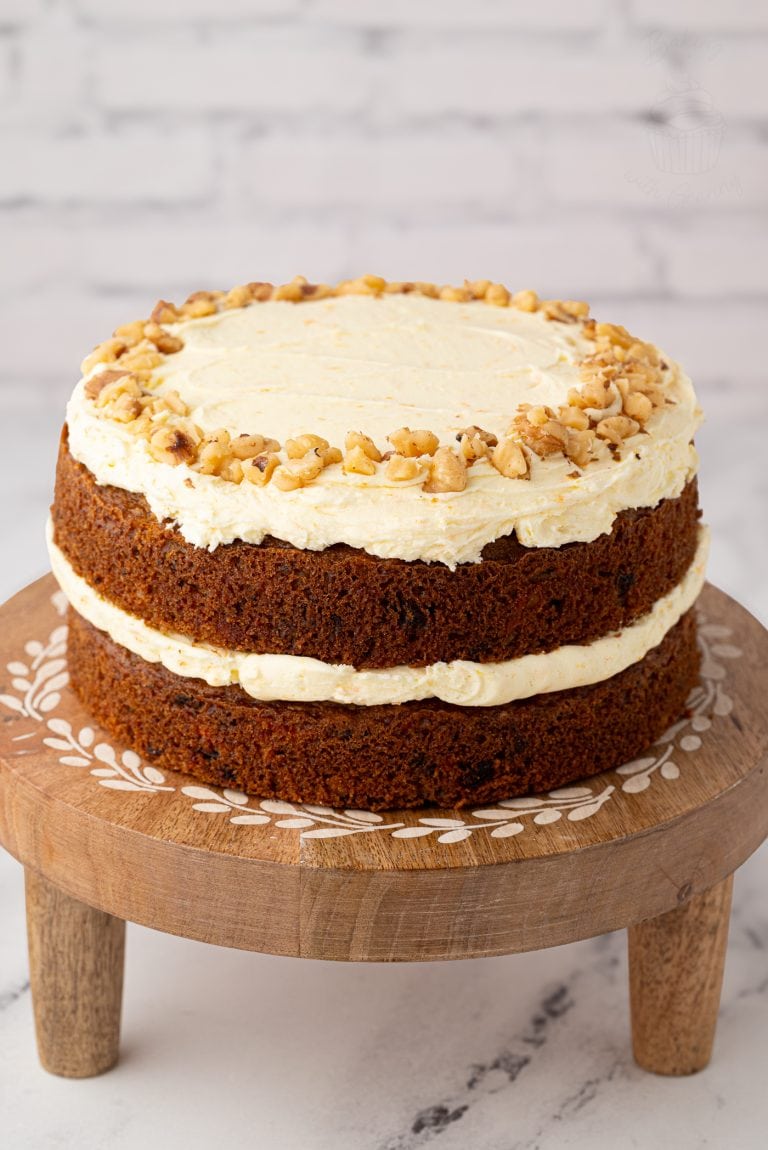
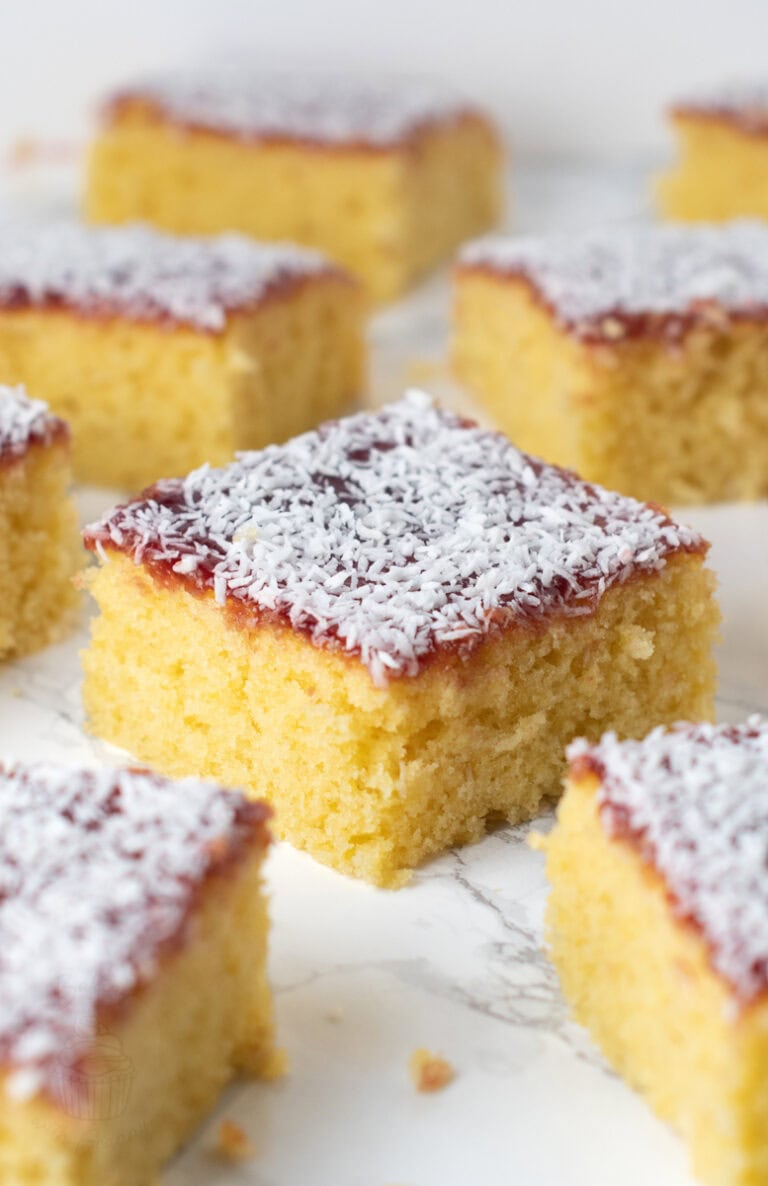
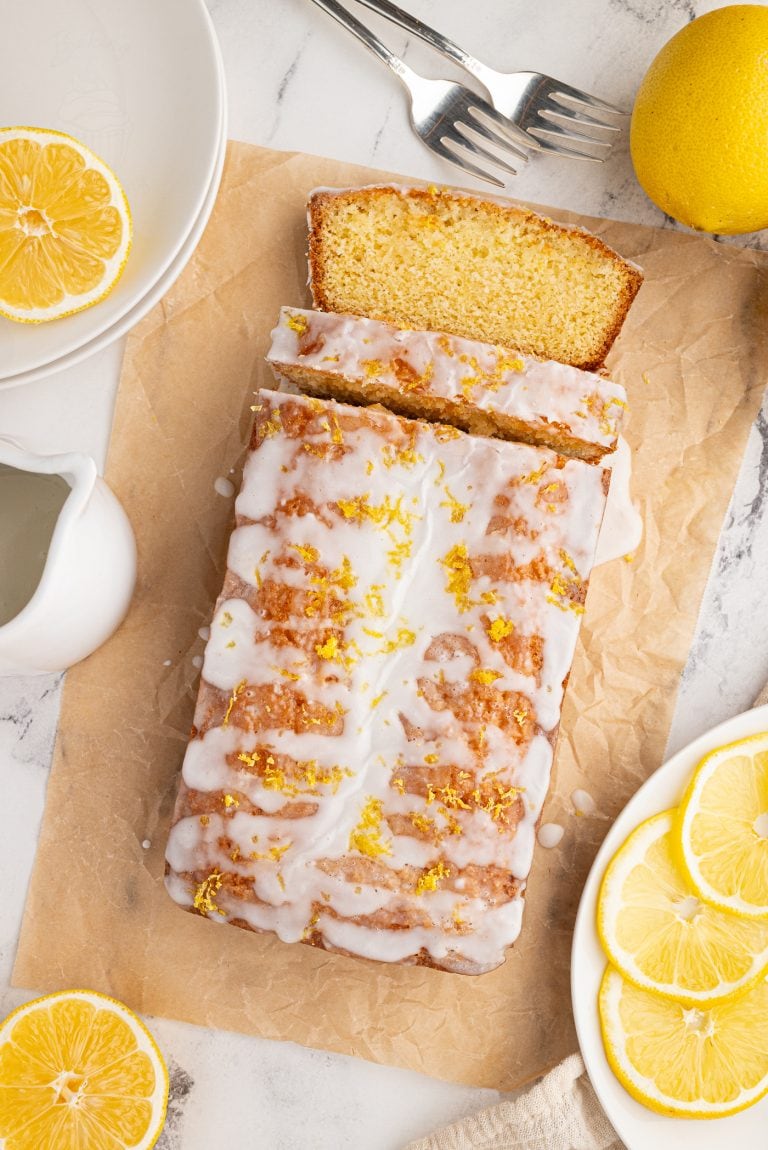
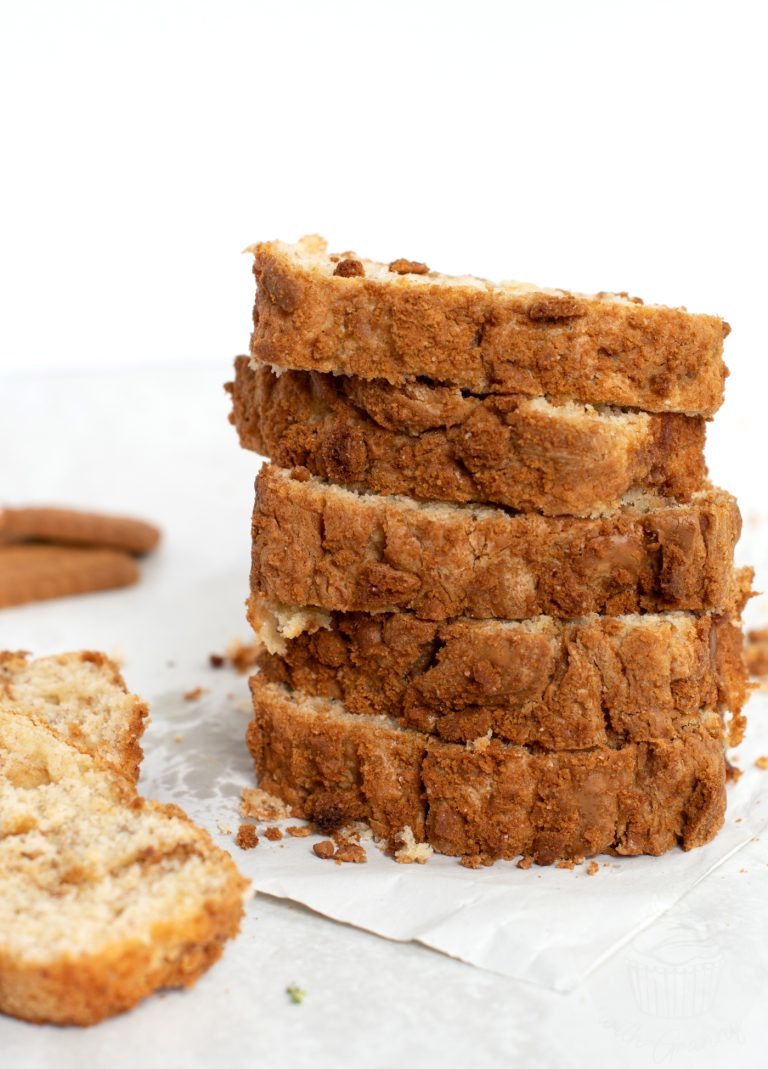
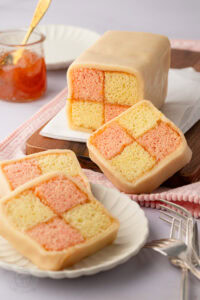
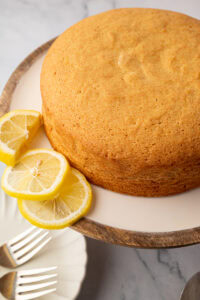
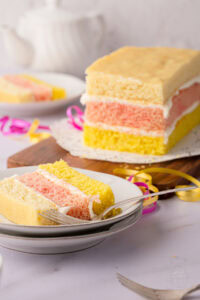
If you loved this traditional Swiss Roll, here are some more of my favourite British cake recipes for you to try next:

Save this recipe!
Want to save this recipe for later? Pop your email below and come back to it when you’re ready to bake.
Swiss Roll
INGREDIENTS
- 2 Free-range Eggs (at room temperature; see Egg Size note below)
- 85 g Caster Sugar (plus extra for finishing)
- 85 g Self-raising Flour (see Self-raising Flour note below)
- 4 tbsp Strawberry Jam (seedless)
EQUIPMENT
- Swiss Roll Tray (27×21cm (approx. 10½×8 inch))
- Whisk (preferably electric)
INSTRUCTIONS
- Preheat your oven to 200°C (180°C for fan-assisted ovens, Gas Mark 6 or 400°F). Generously grease a 27×21cm (approx. 10½×8 inch) Swiss Roll tray and line the bottom with
greaseproof paper . Set aside. - In a large bowl, gently whisk the eggs until the whites and yolks are combined, before adding the sugar. Whisk the eggs and sugar until the mixture is pale and thick.
- Sift the flour into the mixture and gently fold together to create a light batter, being careful not to overmix. Pour the batter into your prepared tin and evenly spread it to the sides and corners.
- Bake in your preheated oven for 7-8 minutes, until a light golden colour and dry in appearance.Whilst the sponge bakes, place an additional piece of
greaseproof paper on a flat surface and dust with a little extra sugar. Warm the jam, either in the microwave or over a bain-marie (this isn't essential, but it will make your jam easier to spread). - Take the sponge from the oven, run a knife around the edges to loosen it from the tray and gently tip it onto the sugared greaseproof paper. Trim the edges of the sponge and remove the baked-on
greaseproof paper . - Spread the jam on the sponge, right to the sides, but leaving a little gap at the shorter ends. Gently fold about 1cm (⅓ inch) of one of the shorter ends over (gently press with a knife to mark first, if required) – this is the start of your rolling.
- Using the
greaseproof paper , continue to roll the sponge over itself, using gentle pressure to make sure there are no big gaps. Finish by ensuring the end is on the underside of the Swiss Roll – the weight of the rest will stop it from unravelling. - Dust with a little more sugar if desired and allow to cool completely before cutting.
VIDEO
IMPORTANT NOTE:
All my recipes are developed using a digital scale and the metric system (grams and millilitres). Cup measurements are available as a conversion, but these, unfortunately, won’t always be as accurate. For best results, I always recommend baking with a digital scale.
RECIPE NOTES:
Substitutions:
- Jam Filling: Strawberry or raspberry jam is the most traditional filling for a classic jam Swiss Roll, but you can use any jam flavour you like. If your jam is quite thick, warming it slightly will make it easier to spread evenly across the sponge.
- Alternative Fillings: While jam is the classic choice, you can also fill your Swiss Roll with whipped cream, buttercream, lemon curd, fresh fruit, or even chocolate spread for an extra sweet twist.
LIKE THIS RECIPE?
Leave a comment and rating below!Originally published in June 2021.