Suet
A complete ingredient guide to baking with suet, including what suet is, the difference between beef and vegetable suet and how it’s used in traditional British baking.
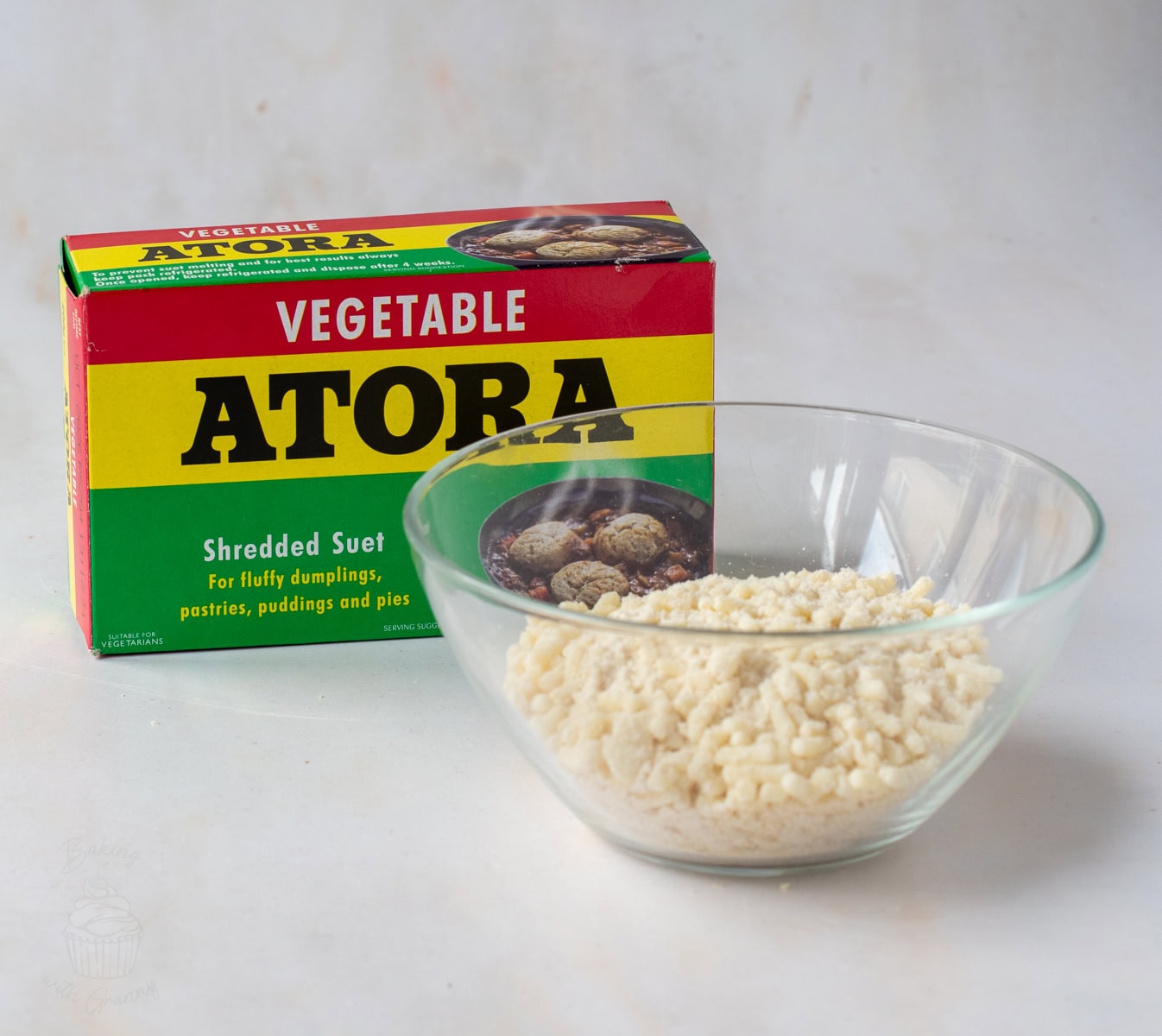
Suet may not be an ingredient you reach for every day, but it’s an important part of traditional British baking and cooking. Best known for giving steamed puddings their wonderfully soft texture, you’ll also find it in everything from dumplings and pastry to mincemeat.
Whether you’re wondering what suet actually is, which type to buy, or what you can use instead, this guide covers everything you need to know before you start baking.
Quick Baking Facts
- Also Known As: “Beef Suet” / “Vegetable Suet”
- Best For: Steamed puddings, dumplings, pastry and mincemeat.
- Texture: Firm and crumbly when cold.
- Flavour: Mild (vegetable suet is more neutral).
- Gluten-free? Pure suet is, but many ready-shredded suets aren’t.
- Vegan? Vegetable suet usually is, but always check the label.
A Traditional British Baking Ingredient
Suet has been used in British cooking for centuries, particularly in steamed and boiled puddings. Before modern baking fats were readily available, the firm fat found around the kidneys of cattle and sheep was a valuable ingredient that could be used in both sweet and savoury dishes.
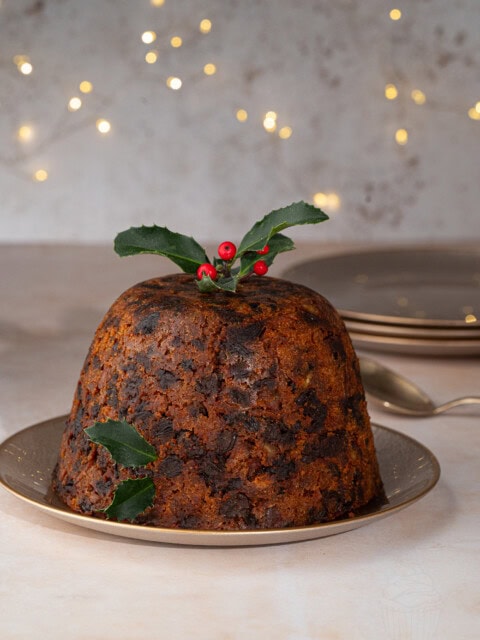
Today, it’s mostly associated with old-fashioned British puddings such as Spotted Dick, Jam Roly Poly and Christmas Pudding, where it does much more than simply add fat. As the suet melts during cooking, it helps create the wonderfully soft, light texture that makes these puddings so distinctive.
And don’t worry, modern bakers don’t necessarily need to prepare fresh animal suet, either. Ready-prepared beef and vegetable suet now make these traditional recipes much easier to recreate at home.
What is Suet?
Suet is a hard, white fat found around the kidneys of cows and sheep. Unlike the softer fat found elsewhere on the animal, suet has a high melting point and a firm, crumbly texture, which makes it particularly useful in baking and traditional British cooking.
When used in recipes, suet is usually grated or shredded into small pieces and mixed through the other ingredients while still solid. As it slowly melts during cooking, it leaves behind tiny pockets of air in the mixture, helping to create the light, soft texture associated with traditional steamed puddings, dumplings and suet pastry.
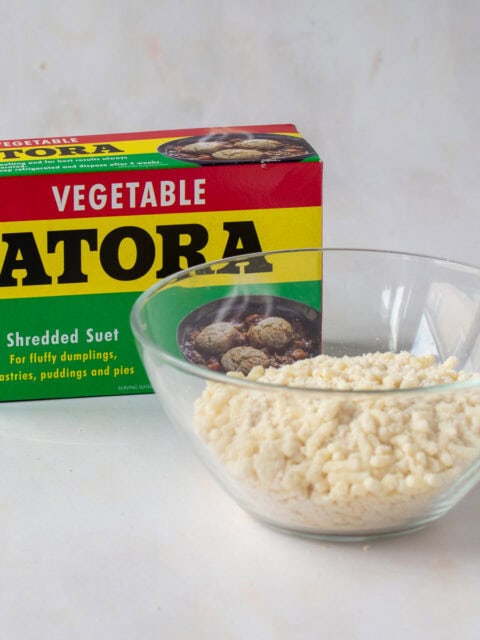
These days, most home bakers don’t need to prepare fresh suet. Ready-shredded suet is widely available in UK supermarkets, with both traditional beef suet and vegetable alternatives available.
What does Suet do in baking?
Suet does much more than simply add fat to a recipe. It can also:
- Work well with slow cooking: Suet’s higher melting point means it’s well suited to steamed and boiled puddings, which are cooked over a longer period.
- Create a light texture: It stays solid longer than many other baking fats. As it melts, it leaves behind tiny air pockets, helping steamed puddings and dumplings become light and soft rather than dense.
- Add moisture: The fat melts through the mixture as it cooks, helping traditional puddings stay wonderfully moist and tender.
- Add richness: Suet gives bakes a rich, satisfying texture without adding an overpowering flavour.
- Make tender pastry: In suet pastry, the small pieces of fat melt during cooking, helping create a soft, tender texture.
What is the difference between Beef Suet and Vegetable Suet?
Beef suet is made from the hard fat found around the kidneys of cattle, while vegetable suet is a plant-based alternative made from vegetable fats. Both are usually sold shredded and can be used in many of the same traditional British recipes.
Beef suet is more traditional and adds richness, but without giving your finished bake an obviously beefy flavour. Vegetable suet has a similarly high melting point and is designed to behave in much the same way during cooking, making it a handy alternative for vegetarian and plant-based baking, or those who don’t like the idea of adding beef to their bakes.
In many recipes, beef and vegetable suet can be swapped in equal quantities. There may be small differences in flavour and texture depending on the product used, but for recipes such as steamed puddings, dumplings and mincemeat, either can generally be used successfully.
It’s always worth checking the packet, particularly if you’re baking for someone with dietary requirements or allergies, as the ingredients and allergens can vary between brands.
Where can I buy Suet?
Suet is widely available in supermarkets across the UK, usually found in the baking aisle alongside the flour and other traditional baking ingredients. Both beef suet and vegetable suet are readily available, most commonly sold ready-shredded in boxes or packets.
Fresh suet can sometimes be bought from a butcher, although ready-prepared suet is much more convenient for everyday baking and is what most modern British recipes are referring to when they list suet as an ingredient.
Outside the UK, suet can be a little harder to find. British food shops and specialist online retailers are often the best place to look for ready-prepared suet, while a butcher may be able to supply fresh beef suet. If you can’t find it where you live, there are also a few suitable substitutes depending on the recipe.

Is Suet the same as Lard?
No. Although suet and lard are both animal fats and can be used in some of the same types of recipes, they aren’t the same thing.
Suet is the hard fat found around the kidneys of cows and sheep, whereas lard is made from pig fat. They also behave differently when heated. Suet has a higher melting point and stays solid for longer during cooking, which helps create the distinctive light texture of steamed puddings, dumplings and suet pastry.
For this reason, lard isn’t always a straight substitute for suet, particularly in recipes where the texture created by the suet is important.
Is Suet the same as Shortening?
No. Suet and shortening are both solid fats, but they’re made differently and don’t behave in exactly the same way when baking.
Traditional suet is an animal fat, while shortening is generally made from vegetable oils. Suet also has a distinctive firm, crumbly texture and high melting point, which is particularly well suited to steamed puddings, dumplings and suet pastry.
Shortening can sometimes be used as an alternative when suet isn’t available, but the finished texture may be slightly different.
What can I use instead of Suet?
The best substitute for suet will depend on the recipe you’re making.
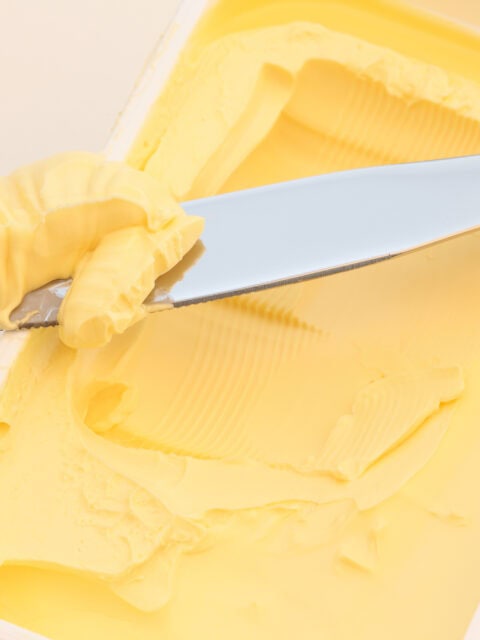
If suet isn’t available where you live, firm vegetable shortening or butter can work in some recipes. For the best results, freeze it first and then grate it into the mixture. This gives you small pieces of fat, similar to shredded suet, which will melt gradually as the recipe cooks. Butter has a lower melting point than suet, so you may still notice a slight difference in the finished texture.
For traditional steamed puddings and dumplings, where suet plays an important part in creating their characteristic texture, it’s worth using beef or vegetable suet whenever possible. Atora is the main brand of Suet available in the UK, and you can usually get both their Beef Suet and Vegetable Suet on Amazon.
Amy’s Top Tips for Suet
- Keep it Cool: Suet works best when it stays firm until your recipe starts cooking, so avoid leaving it somewhere warm before you begin – a kitchen cupboard or pantry is usually fine, but if your kitchen is particularly warm, you should keep it in the fridge. And if you’re using fresh suet, keep it chilled until you need it.
- Don’t Overwork the Mixture: When making dumplings, steamed puddings or suet pastry, mix only until everything comes together. Overworking the mixture can make the finished bake heavier rather than lovely and light.
- Check the Packet for Added Flour: Ready-shredded suet is often coated in flour to stop the pieces sticking together. If you’re baking for someone who needs to avoid gluten, don’t assume that suet is gluten-free just because the fat itself naturally is – always check the ingredients.
- Freeze & Grate Your Substitute: If you’re using butter or firm vegetable shortening in place of suet, freeze it first and grate it straight into your mixture. This creates small pieces of fat similar to shredded suet and helps it stay solid for longer as your recipe begins to cook.
- Don’t Be Put Off by Beef Suet in Sweet Bakes: It might sound a little strange if you’ve never used it before, but beef suet has quite a mild flavour and has been used in sweet British puddings for generations. Your Christmas Pudding or Spotted Dick won’t come out tasting like beef! But if the idea of it does give you the ick, Vegetable Suet is a great alternative.
Does Suet taste like beef?
A fair question! Despite where it comes from, beef suet doesn’t give sweet bakes a strong beefy flavour. Its flavour is pretty mild, particularly once combined with the other ingredients in a recipe.
This is why beef suet has traditionally been used in sweet recipes such as Christmas Pudding, Spotted Dick and mincemeat, as well as savoury dishes. It adds richness and texture without overpowering the other flavours.
Vegetable suet is even more neutral in flavour, making it a great alternative if you’d prefer not to use an animal-based suet.
Is Suet vegetarian? Is Suet vegan?
Traditional beef suet is not vegetarian or vegan, but vegetable suet is now widely available and is generally is suitable for both vegetarians and vegans – but always check the packaging, as ingredients can vary between brands.
Is Suet gluten-free?
While pure suet is naturally gluten-free, most shop-bought suets are coated in wheat flour to stop the pieces sticking together. Gluten-free suet is available, but always check the ingredients and allergen information before using.
Storage & Shelf Life of Suet:
- Keep ready-shredded suet in a cool, dry place, away from heat and direct sunlight.
- Once opened, store it in a sealed container or well-sealed packet and follow the packet instructions.
- Always check the best-before date on the packaging and use within the packet-recommended timeframe.
- Fresh suet should be kept refrigerated and used within a few days, or frozen for longer storage.
- Suet can be frozen if needed. Wrap it well or store it in an airtight container, then thaw in the fridge before using.
- If your suet develops an unusual smell, colour or appearance, it’s best to replace it.
What kind of recipes use Suet?
Suet is most commonly used in traditional British recipes, particularly steamed puddings, dumplings and suet pastry. Its high melting point helps give these recipes their distinctive soft, light texture, while adding richness without an overpowering flavour.
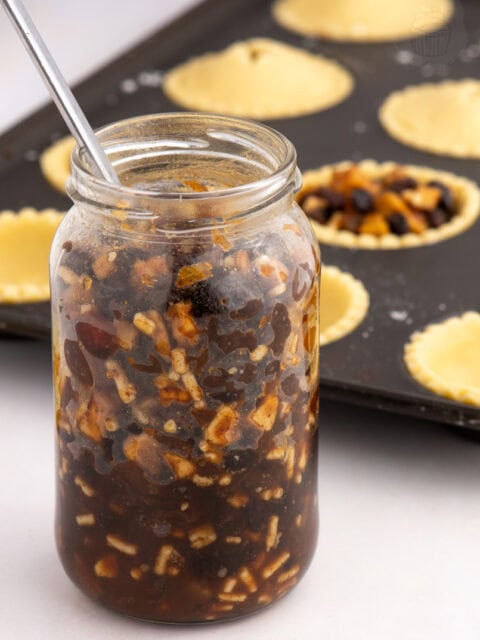
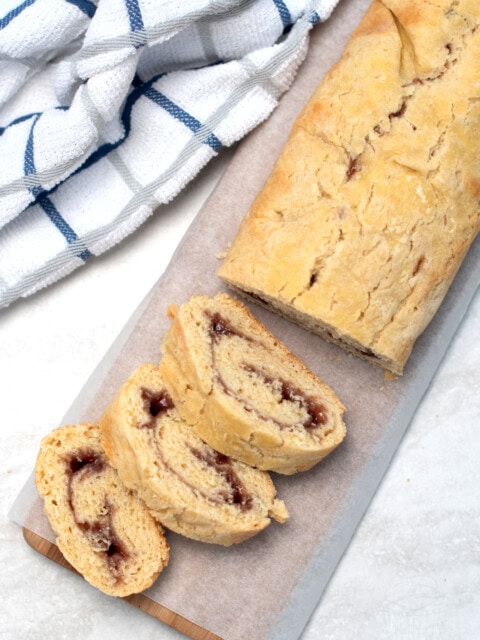
Some of the most popular recipes using suet include Spotted Dick, Jam Roly Poly, Christmas Pudding, Sweet Mincemeat, dumplings and traditional suet pastry. It can be used in both sweet and savoury recipes, but is probably best known for the comforting old-fashioned British puddings that have been made using suet for generations.
Ready to Start Baking?