Self-raising Flour
A complete ingredient guide to self-raising flour, including what it is, how it’s used in baking, how it compares to plain flour, and the best recipes to make with it.
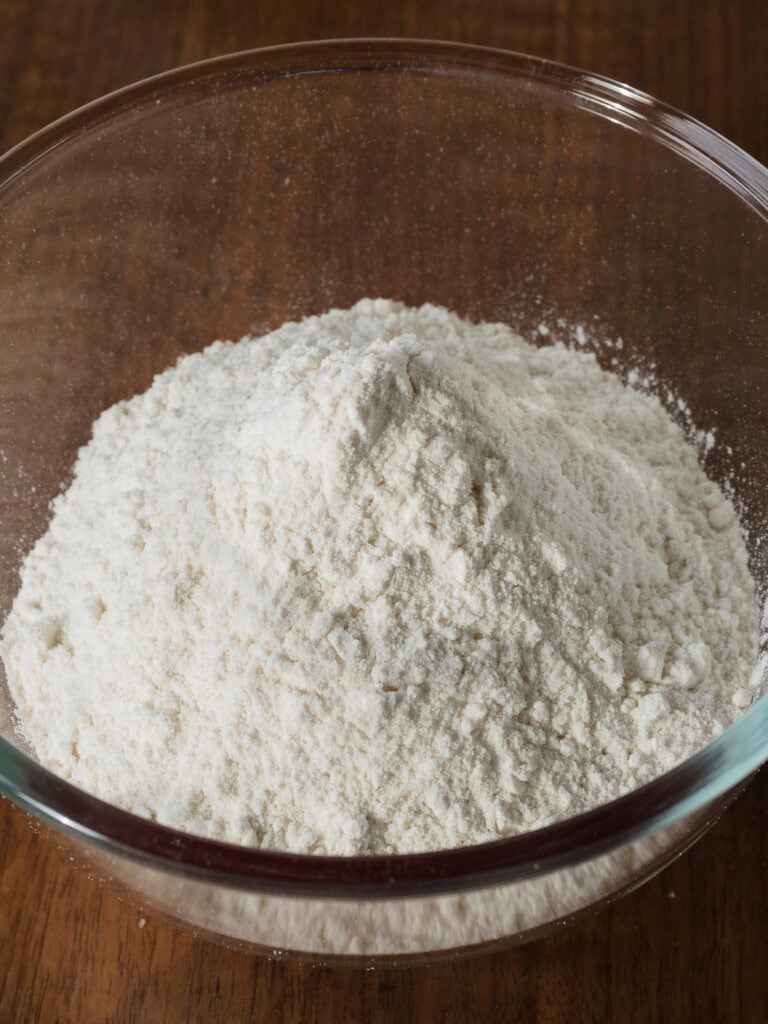
It’s a staple in British baking. Used in everything from sponge cakes and scones to pancakes and puddings. But if you’re baking from outside the UK, you may have come across it in a recipe and wondered what it actually is.
So what exactly is self-raising flour? How is it different from plain flour? And can you make your own if you don’t have any?
Quick Baking Facts
- Also Known As: “Self-rising Flour” (US)
- Best For: Cakes, scones, biscuits & puddings.
- Texture: Fine, soft flour with added raising agents.
- Flavour: Neutral, not used for taste.
- Gluten-free? No (unless using a gluten-free version).
- Vegan? Yes.
Self-raising flour has been a staple ingredient in British baking for many generations. Unlike plain flour, it already contains baking powder, meaning it’s ready to use straight from the bag and helps cakes, scones and so many other bakes rise without any extra preparation.
You’ll find self-raising flour in countless traditional British recipes, from Victoria Sponge and Fairy Cakes to Fruit Scones, Crumpets and steamed puddings. While it’s widely & easily available across the UK, it can be harder to find elsewhere in the world – which is why many bakers choose to make their own by simply adding baking powder to plain flour.
What is Self-raising Flour?
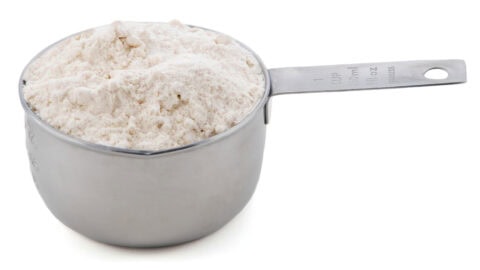
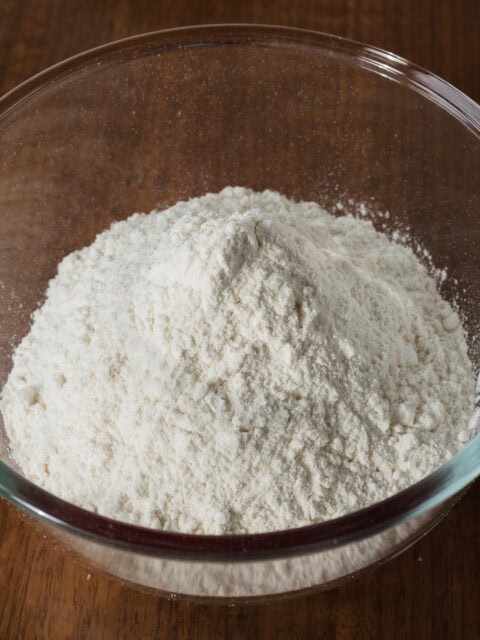
Self-raising flour is one of the most commonly used flours in British baking and is perfect for recipes that need a light, fluffy texture. It is a type of lower-protein wheat flour with baking powder (and sometimes a little salt) already mixed into it. The addition of baking powder means self-raising flour helps your baked goods rise during baking, without the need to add a separate raising agent.
And if a recipe calls for self-raising flour, it’s important that you don’t just substitute with plain flour without also adding any baking powder; otherwise, your bake will probably not rise in the way it is meant to. If you only have plain flour (all-purpose flour), don’t worry – you can easily make your own self-raising flour.
What does Self-raising Flour do in baking?
Self-raising flour does so much more than simply replace plain flour. It can also:
- Help bakes rise: Self-raising flour already contains baking powder, which releases carbon dioxide as your batter or dough bakes, giving a light, airy texture.
- Create a lighter texture: The added raising agent helps create soft, fluffy cakes and tender scones, rather than dense or heavy bakes.
- Save time and measuring: Because the baking powder is already mixed through the flour, you don’t usually have to measure out separate raising agents.
- Give even results: The baking powder is already evenly distributed throughout the flour, helping your bakes rise evenly.
- Reduce the risk of mistakes: One less ingredient to measure, making it easier to avoid forgetting the baking powder, or adding too much.
Where can I buy Self-raising Flour?
Self-raising flour is widely available in every supermarket across the UK, as well as in farm shops and corner stores. You’ll usually find it in the baking aisle alongside plain flour, strong bread flour and all your other baking essentials.
Outside of the UK, it can be a little trickier to find. In the United States, look for self-rising flour, which is very similar – though the flour-to-raising-agent ratio can vary between brands, and American “Self-rising” flour almost always contains added salt, whereas British “Self-raising” flour usually doesn’t. If you can’t find Self-raising Flour at your local supermarket, you can buy it on Amazon, or you can easily make your own by mixing plain flour with baking powder (see below).
Can I make Self-raising Flour at home?
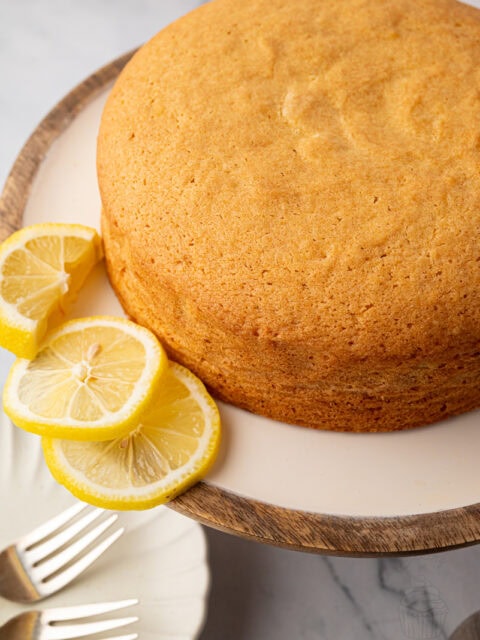
Yes! If you can’t get your hands on some self-raising flour, or you’ve simply run out, it’s actually very easy to make your own at home using plain flour and baking powder. And the good news is that homemade self-raising flour works just as well in most recipes, and is also a great option if you don’t keep a bag of self-raising flour in your cupboards.
As a general rule, you add 2 teaspoons of baking powder for every 150g of plain flour or 2 teaspoons of baking powder for every 1 cup of all-purpose flour. Whisk & sift them together thoroughly to make sure the baking powder is evenly distributed before using it in your recipe.
It’s also worth noting that different brands of self-raising flour do often contain slightly different amounts of raising agent, so you’ll sometimes see slightly different conversion ratios. However, this is my tried-and-tested ratio for making homemade self-raising flour for everyday baking, and what I would recommend for the recipes on Baking with Granny.
Self-raising Flour Conversion Chart (UK)
Replace the self-raising flour in your recipe with the same weight of plain flour, then add the amount of baking powder shown below.
Plain Flour |
Baking Powder |
|
100g |
1¼ tsp |
|
150g |
2 tsp |
|
200g |
2½ tsp |
|
250g |
3 tsp (or 1 tbsp) |
|
300g |
4 tsp |
|
350g |
4½ tsp |
|
400g |
5 tsp |
|
450g |
6 tsp (or 2 tbsp) |
|
500g |
6¾ tsp (or 2 tbsp + ¾ tsp) |
Self-rising Flour Conversion Chart (US)
Using cups instead? Replace the self-rising flour in your recipe with the same amount of all-purpose flour, then add the baking powder shown below.
All-purpose Flour |
Baking Powder |
|
½ cup |
1 tsp |
|
1 cup |
2 tsp |
|
1½ cups |
2¾ tsp |
|
2 cups |
3½ tsp |
|
2½ cups |
4½ tsp |
|
3 cups |
5½ tsp |
|
3½ cups |
6¼ tsp |
|
4 cups |
7¼ tsp |
|
4½ cups |
8 tsp (or 2 tbsp + 2 tsp) |
What if my recipe calls for a different amount of flour?
Don’t worry if your recipe calls for an amount that’s not listed in the conversion charts. Simply use the closest amount of baking powder, rounding to the nearest ¼ teaspoon if needed. For example, 180g of plain flour needs about 2½ teaspoons of baking powder, while 310g needs about 4 teaspoons. A small difference won’t noticeably affect most home baking.
You will also find a note on any of my recipes that use self-raising flour on Baking with Granny, with the amount of plain flour (all-purpose flour) and baking powder required to substitute for the self-raising flour.
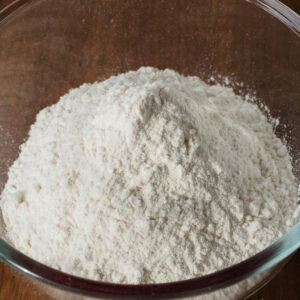
Homemade Self-raising Flour
INGREDIENTS
- 150 g Plain Flour
- 2 tsp Baking Powder
INSTRUCTIONS
- UK: Add 2 tsp of baking powder to every 150g of plain flour.US: Add 2 tsp of baking powder to every 1 cup of all-purpose flour.
- Whisk and sift the flour together until well combined.
- Use in any recipe that calls for self-raising flour.
IMPORTANT NOTE:
All my recipes are developed using a digital scale and the metric system (grams and millilitres). Cup measurements are available as a conversion, but these, unfortunately, won’t always be as accurate. For best results, I always recommend baking with a digital scale.
RECIPE NOTES:
Make it in Bulk:
If you use self-raising flour regularly, you can make a larger batch by whisking together 1.5kg plain flour and 20 teaspoons (6 tablespoons plus 2 teaspoons) of baking powder. Or, if you prefer to measure in cups, whisk together 10 cups all-purpose flour and 6 tablespoons of baking powder. Store in an airtight container in a cool, dry place and use whenever a recipe calls for self-raising flour.LIKE THIS RECIPE?
Leave a comment and rating below!Amy’s Top Tips for Self-raising Flour
- Check the Date: Self-raising flour usually has a long shelf-life, but the raising agent does lose its strength over time. If your cakes or scones aren’t rising as well as they used to, it could be the age of your flour. Time to buy another bag, or make a fresh batch.
- Don’t Add Extra Baking Powder (unless the recipe says to): Self-raising flour already contains a raising agent. Adding more will either make your bakes rise too quickly and then collapse, or leave a slightly bitter taste.
- Sift Before Using: Flour can often become compacted during storage. A quick sift helps break up any lumps and evenly redistributes the baking powder. Most recipes will call for sifting, but even when it doesn’t, and your flour has been sitting for a while, I’d still recommend giving it a quick sift before use.
- Don’t Pack Flour into Cups: If using cups, spoon the flour into the cup and level it off rather than scooping it directly from the bag. This helps avoid using too much flour, which will inevitably cause your bakes to be dense and dry.
- Store it Somewhere Cool & Dry: Keep self-raising flour in an airtight container away from heat and moisture. This will make sure bugs and mould don’t find their way into it.
- Mix Homemade Self-raising Flour Thoroughly: If you’re making your own self-raising flour, whisk & sift the plain flour and baking powder together well, so the raising agent is evenly distributed throughout the flour.
Is Self-raising Flour vegetarian? Is Self-raising Flour vegan?
Yes and yes! Self-raising flour is typically made from wheat flour and baking powder, making it naturally suitable for both vegetarians and vegans.
Is Self-raising Flour gluten-free?
No. Traditional self-raising flour is made from wheat, so it contains gluten and isn’t suitable for anyone following a gluten-free diet or those with coeliac disease.
The good news is that many supermarkets now stock gluten-free self-raising flour, which is specially formulated for baking. In many recipes, it can be substituted like-for-like with traditional self-raising flour, although the finished texture may vary slightly depending on the brand.
Storage & Shelf Life of Self-raising Flour:
- Keep self-raising flour in a cool, dry cupboard, away from direct sunlight and moisture.
- The flour itself has a long shelf life, but the baking powder gradually loses its strength over time.
- Once opened, transfer it to an airtight container or reseal the bag tightly after each use.
- Avoid storing self-raising flour near the cooker, kettle or dishwasher, where heat and steam can affect its quality & freshness.
- Always check the best-before date and use your flour within this for the best baking results.
What kind of recipes use Self-raising Flour?
Self-raising flour is one of the most versatile baking ingredients. Because it already contains a raising agent, it’s perfect for recipes that need a light, soft texture without the extra step of measuring baking powder.
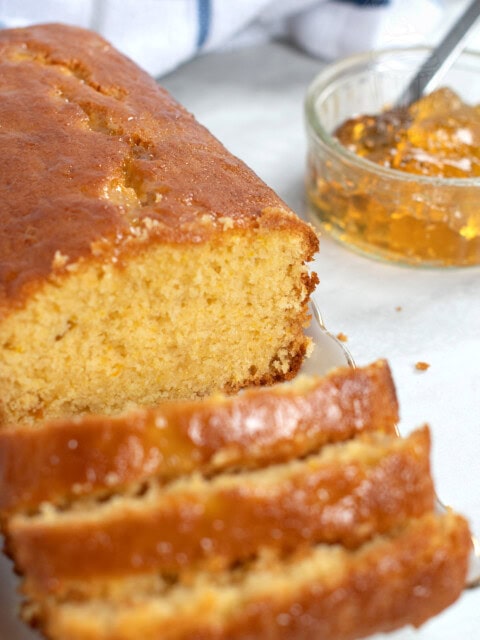
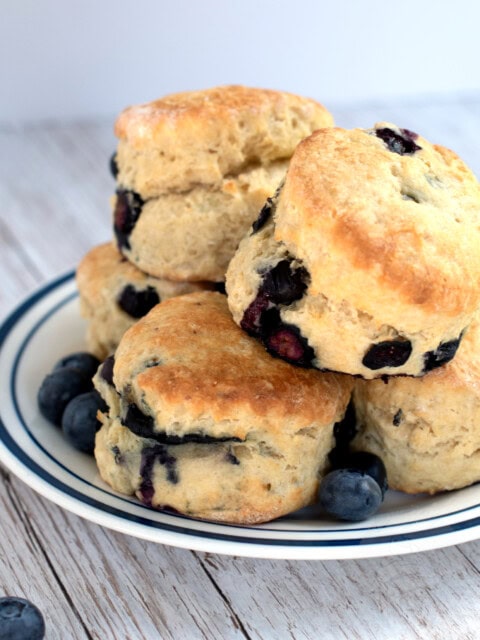
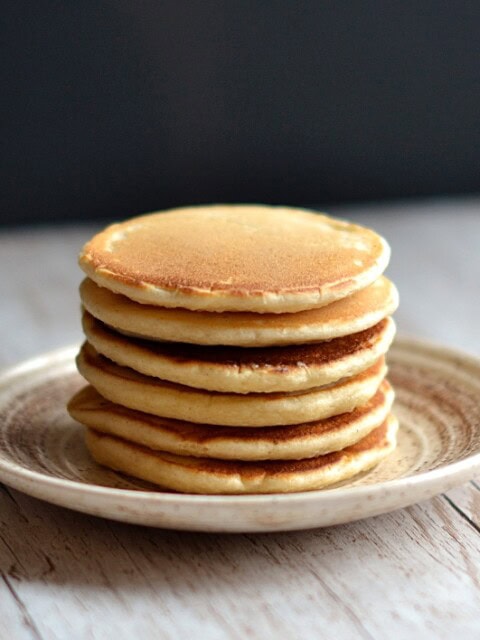
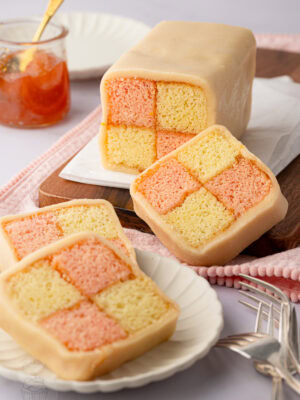
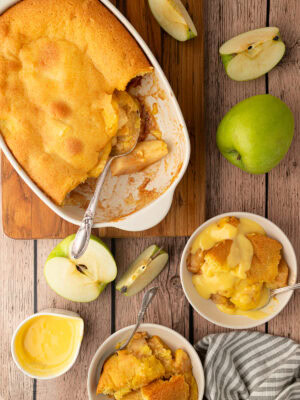
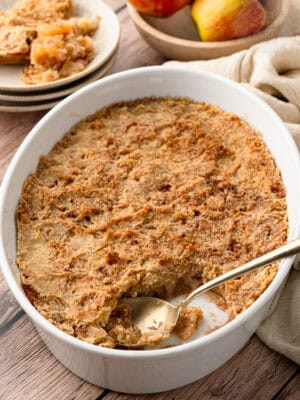
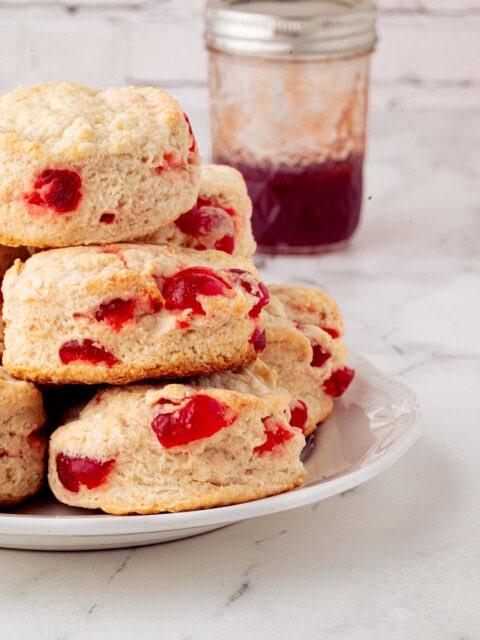
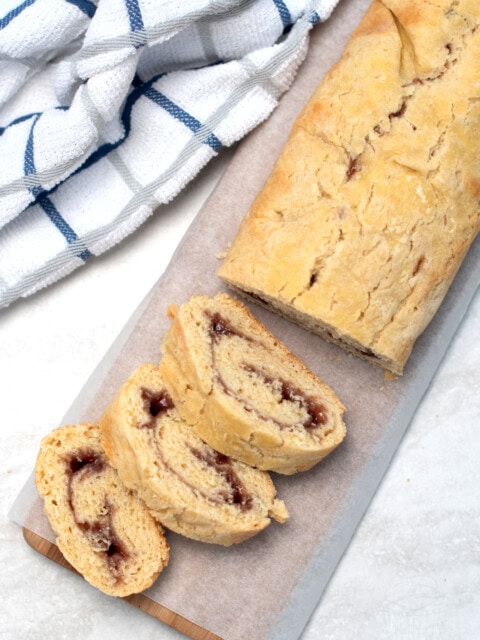
Some of the most popular recipes using self-raising flour include sponge cakes, loaf cakes, cupcakes, scones, biscuits and steamed puddings. On Baking with Granny, you’ll also find traditional favourites such as Victoria Sponge, Madeira Cake, Lemon Drizzle Cake, Plain Scones, Cheese Scones, Scottish Crumpets, Jam Roly Poly, and Scotch Pancakes, all of which contain self-raising flour, as well as plenty of other classic British bakes.
Although self-raising flour is incredibly versatile, it isn’t suitable for every recipe. Yeast breads, pastry and recipes that rely on a different balance of raising agents are generally better made with plain flour (all-purpose flour) or a strong bread flour instead.